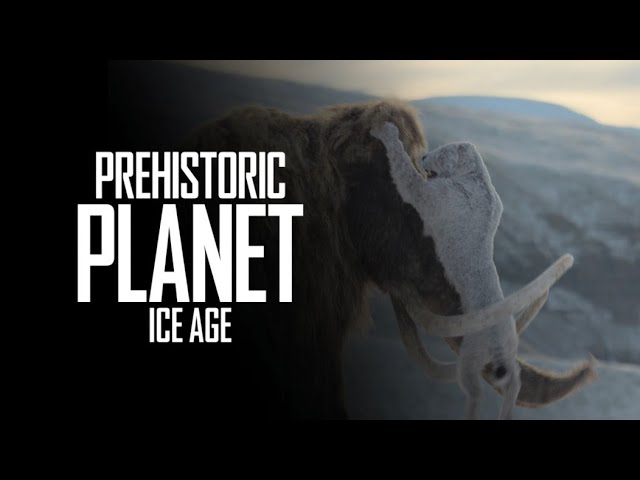
Mammoths were an extinct group of large mammals belonging to the genus Mammuthus, closely related to modern elephants. They lived from approximately 5 million years ago until about 4,000 years ago, although isolated populations survived on remote islands long after mainland populations disappeared. Mammoths are among the most iconic animals of the Ice Age and were specially adapted to life in cold climates.
Several species of mammoth evolved over time, with the Woolly Mammoth (Mammuthus primigenius) being the best known. Adult woolly mammoths typically stood 2.7 to 3.4 meters (9–11 feet) tall at the shoulder and weighed between 4 and 6 metric tons, while larger species such as the Steppe Mammoth could exceed 10 metric tons.
Mammoths were characterized by their thick, shaggy fur, a dense insulating undercoat, small ears, short tails, and a thick layer of body fat that helped them survive freezing temperatures. Their long, curved tusks could grow over 4 meters (13 feet) in length and were used for defense, moving snow aside to uncover vegetation, and competing with other mammoths.
These herbivores inhabited vast grasslands and tundra known as the Mammoth Steppe, stretching across Europe, northern Asia, and North America during the Ice Ages. Their diet consisted primarily of grasses, sedges, shrubs, herbs, and other low-growing vegetation. Like modern elephants, mammoths likely lived in family groups led by experienced females, while mature males often lived alone or formed small bachelor groups.
Mammoths shared their environment with many Ice Age animals, including Woolly Rhinoceroses, Saber-toothed Cats, Dire Wolves, Cave Lions, and early humans. Numerous archaeological sites show that prehistoric humans hunted mammoths for meat, hides, bones, and ivory, using their remains to build shelters, tools, and works of art.
One of the reasons mammoths are so well understood is the remarkable preservation of frozen specimens discovered in the Siberian permafrost. Some have retained skin, fur, muscles, stomach contents, and even traces of blood, providing scientists with exceptional insight into their biology. Advances in genetics have also allowed researchers to sequence much of the woolly mammoth's DNA, leading to ongoing research into de-extinction technologies.
Most mammoth populations disappeared around 10,000 years ago as the climate warmed at the end of the last Ice Age and human hunting increased. However, a small population of Woolly Mammoths survived on Wrangel Island in the Arctic Ocean until approximately 4,000 years ago, making them one of the last surviving prehistoric megafauna.
Mammoth
A large, elephant-like mammal adapted to the Ice Age, famous for its long curved tusks and thick shaggy coat, which lived across Europe, Asia, and North America.