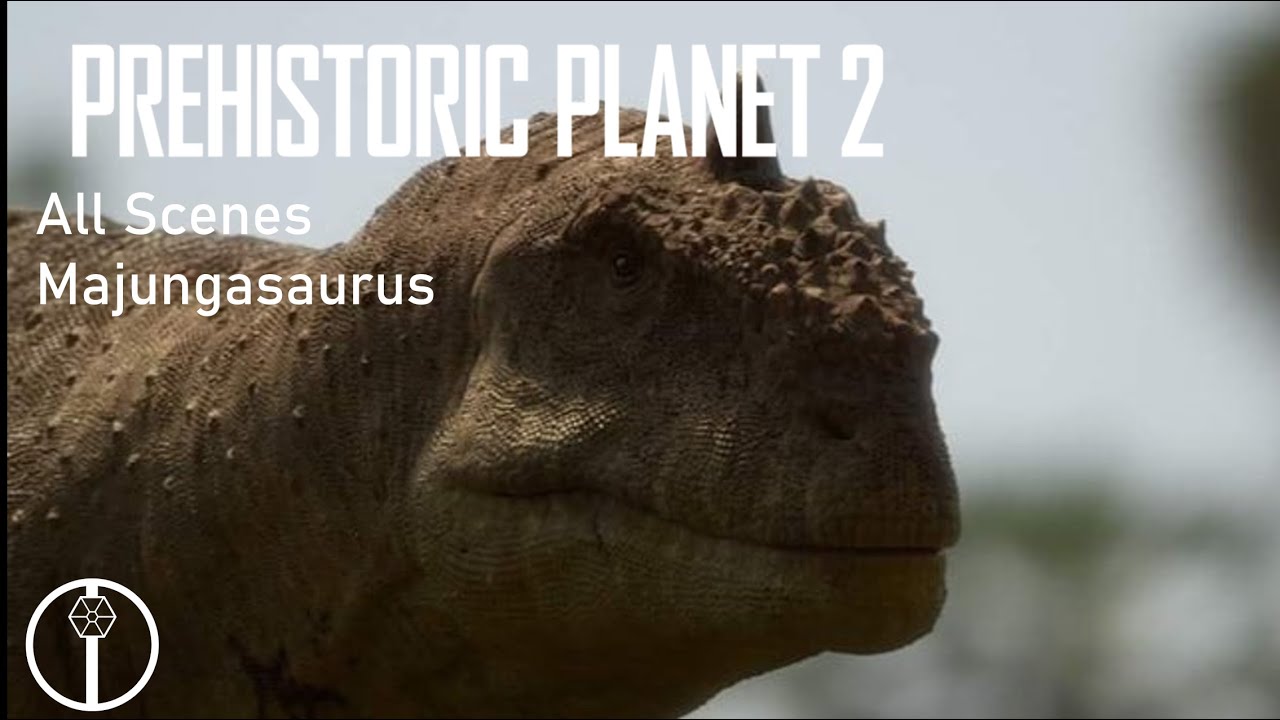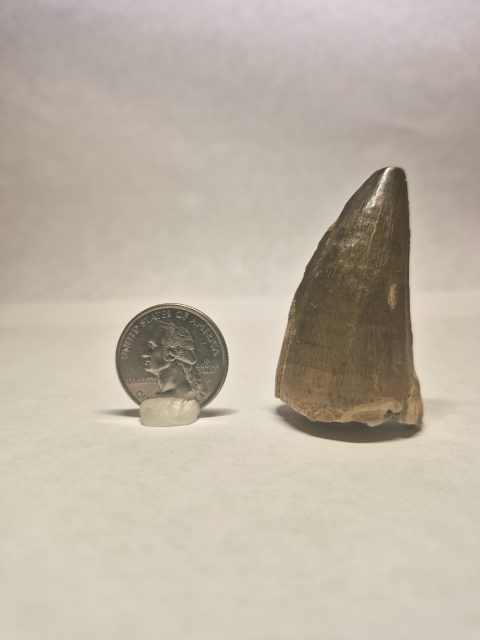
Majungasaurus was a carnivorous abelisaurid theropod dinosaur that lived during the Late Cretaceous Period, approximately 70–66 million years ago. It was discovered on the island of Madagascar, where it was one of the top predators in its ecosystem.
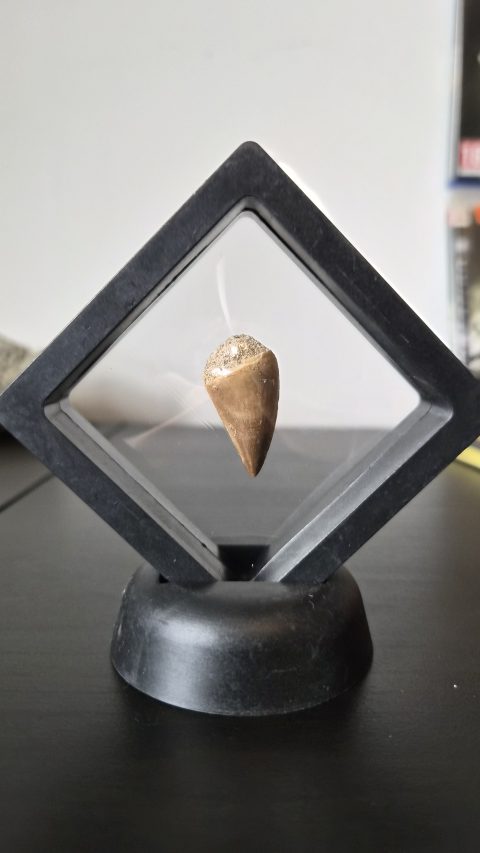
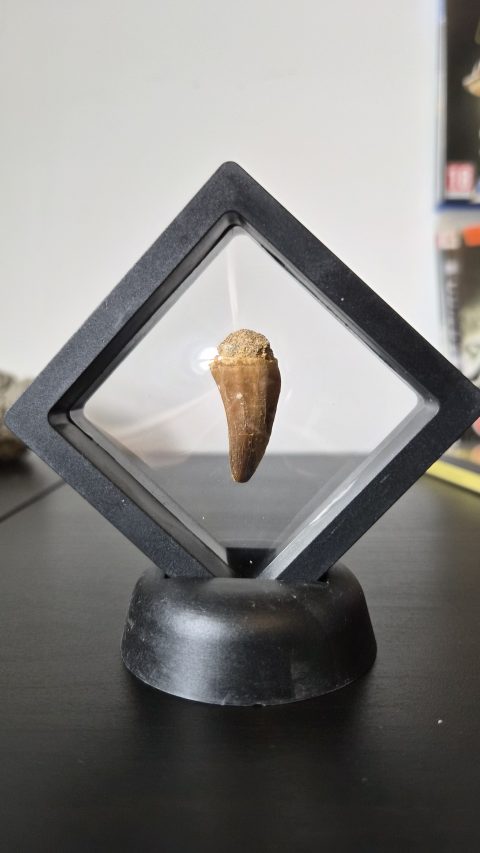
Majungasaurus had a short, deep skull with powerful jaws and small, blade-like teeth designed for gripping and tearing flesh. Unlike many large theropods, its arms were extremely reduced, similar to those of Tyrannosaurus rex, and were likely not useful for hunting. Instead, it relied on its strong jaws, muscular neck, and powerful hind legs to capture prey.
It reached around 6–7 meters (20–23 feet) in length and weighed approximately 1 tonne or more. A distinctive feature of Majungasaurus was the rounded horn-like structure on top of its skull, which may have been used for display or competition between individuals.
Fossil evidence suggests that Majungasaurus may have practiced cannibalism, as bite marks found on bones of other Majungasaurus individuals match its own teeth. It likely hunted smaller animals and scavenged when opportunities arose.
Majungasaurus lived alongside other unusual Madagascan animals, including the herbivorous sauropod Rapetosaurus and the armored crocodilian relative Simosuchus.
Majungasaurus
Majungasaurus was a medium-sized abelisaurid theropod dinosaur from the Late Cretaceous known for its short skull, powerful bite, and possible cannibalistic behavior.