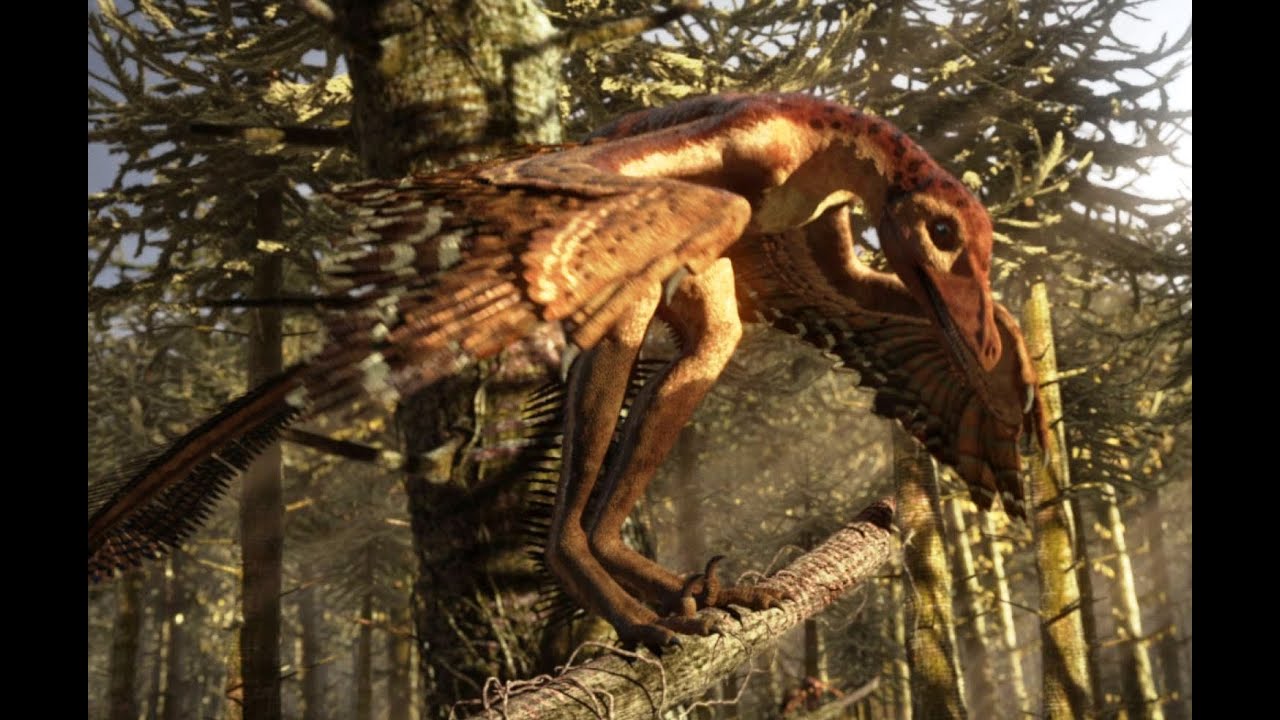
Sinornithosaurus was a small dromaeosaurid theropod dinosaur that lived during the Early Cretaceous Period, approximately 124–122 million years ago. It was discovered in the Yixian Formation of Liaoning Province, China, one of the world's most important fossil sites for preserving feathered dinosaurs.
Sinornithosaurus was a close relative of birds and belonged to the same group of dinosaurs as Velociraptor and Deinonychus. It had a lightweight body, long tail, sharp claws, and a covering of primitive feathers. Its fossil remains provide some of the clearest evidence that many theropod dinosaurs had feathers.
It reached around 1–1.2 meters (3–4 feet) in length and was likely an agile predator that hunted small animals, insects, and possibly other small dinosaurs. It had a long snout with many sharp teeth, including unusually enlarged teeth at the front of the upper jaw.
Some researchers have suggested that Sinornithosaurus may have possessed a venom-delivery system based on features of its teeth and skull, but this interpretation remains debated among scientists.
Its discovery was important because it helped demonstrate the close evolutionary relationship between dinosaurs and modern birds.
Sinornithosaurus
Sinornithosaurus was a small feathered dromaeosaurid dinosaur from the Early Cretaceous known for its bird-like features and possible venomous bite.