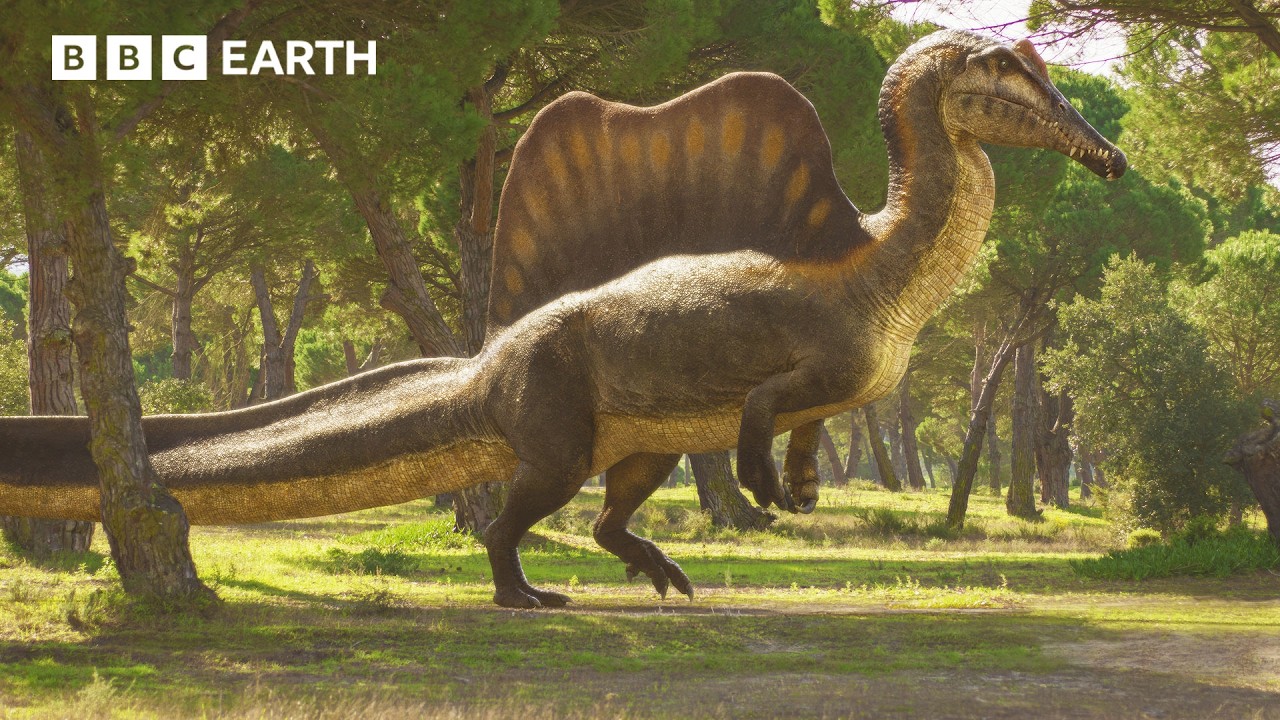
Spinosaurus was one of the largest known carnivorous dinosaurs and a member of the family Spinosauridae. It lived during the Late Cretaceous Period, approximately 100–94 million years ago, in what is now North Africa. Its fossils have been discovered mainly in Morocco and Egypt.
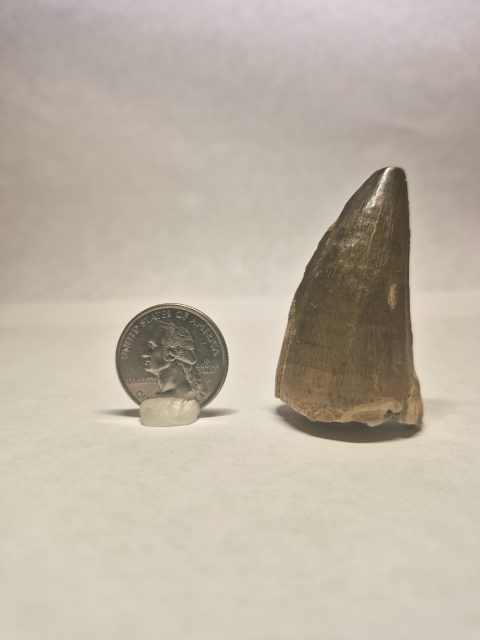
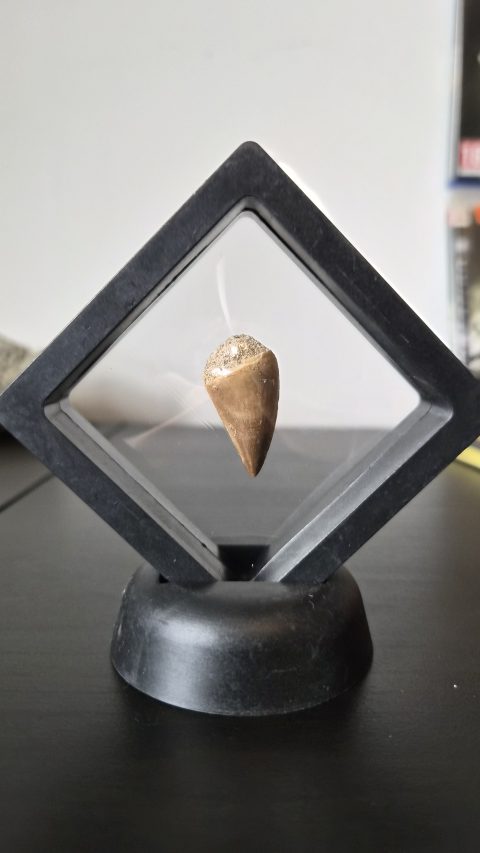
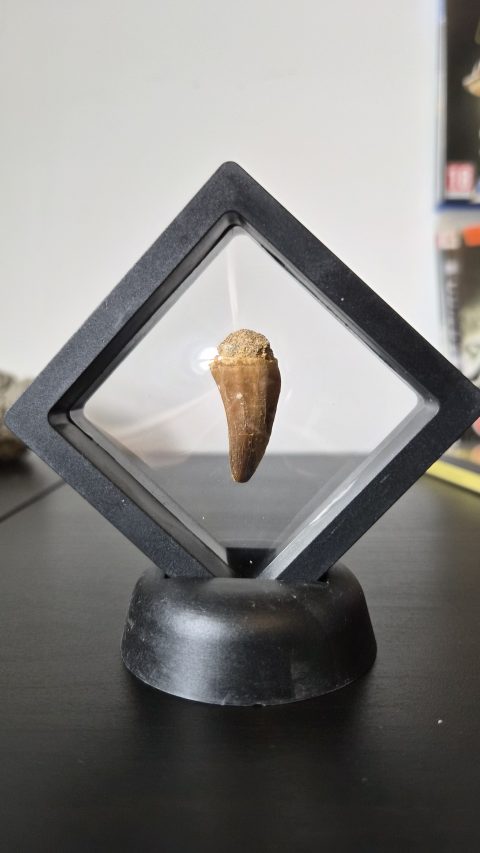
Spinosaurus had a highly specialized body adapted for a semi-aquatic lifestyle. It possessed a long, narrow skull similar to that of a crocodile, with conical teeth designed for catching slippery prey such as fish. Unlike many other large theropods, its jaws were not built for crushing large prey but for gripping aquatic animals.
One of its most distinctive features was the large neural spine sail along its back, formed by elongated vertebrae. Scientists debate its exact function, with possibilities including temperature regulation, display to attract mates or intimidate rivals, or storing fat.
Spinosaurus had powerful arms with large claws, a long muscular tail, and dense bones that may have helped it stay submerged in water. It is considered one of the best examples of a dinosaur adapted to life near rivers and coastal environments.
With an estimated length of around 14–15 meters (46–49 feet), Spinosaurus was among the longest predatory dinosaurs ever discovered, rivaling or exceeding Tyrannosaurus rex in size.
Spinosaurus
Spinosaurus was a massive semi-aquatic theropod dinosaur from the Late Cretaceous, famous for its long crocodile-like snout, sail-like spine, and fish-eating lifestyle.