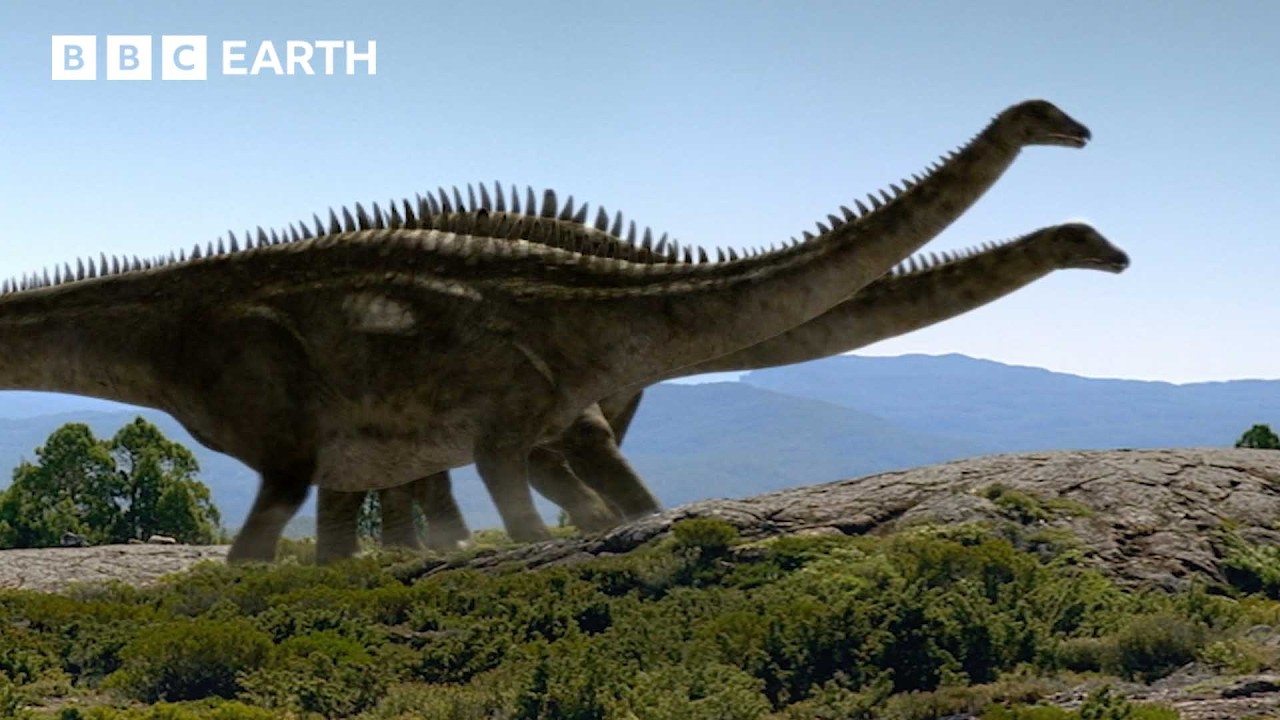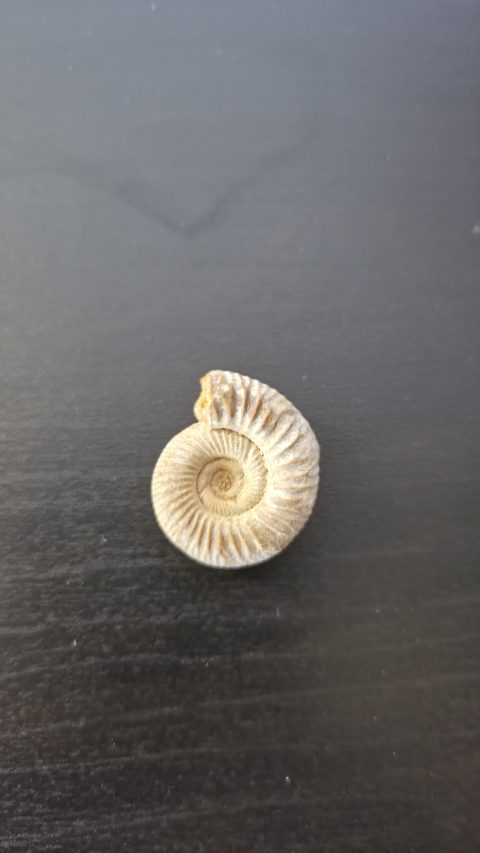
Diplodocus was one of the most recognizable sauropod dinosaurs and lived during the Late Jurassic Period, approximately 154–152 million years ago. It inhabited what is now western North America, particularly the region that is today the Morrison Formation of the United States.
Diplodocus had an exceptionally long neck and tail, giving it one of the longest body lengths of any known dinosaur. Its tail made up more than half of its total length and may have been used for balance, communication, or defense against predators. Despite its enormous size, Diplodocus had a relatively lightweight build compared to other giant sauropods because of its long, slender bones and air-filled spaces in its skeleton.
Unlike many other sauropods with spoon-shaped teeth, Diplodocus had narrow, peg-like teeth located only at the front of its jaws. These teeth were adapted for stripping leaves from plants rather than chewing. It likely fed on ferns, cycads, and other low-growing vegetation, using its long neck to reach large areas without moving its massive body.
Diplodocus could reach lengths of around 24–27 meters (79–89 feet), making it one of the longest dinosaurs known. However, it was relatively lightweight for its size, estimated to weigh around 10–16 tonnes.
Diplodocus
Diplodocus was a gigantic long-necked sauropod dinosaur from the Late Jurassic known for its extremely long tail, slender body, and herbivorous lifestyle.