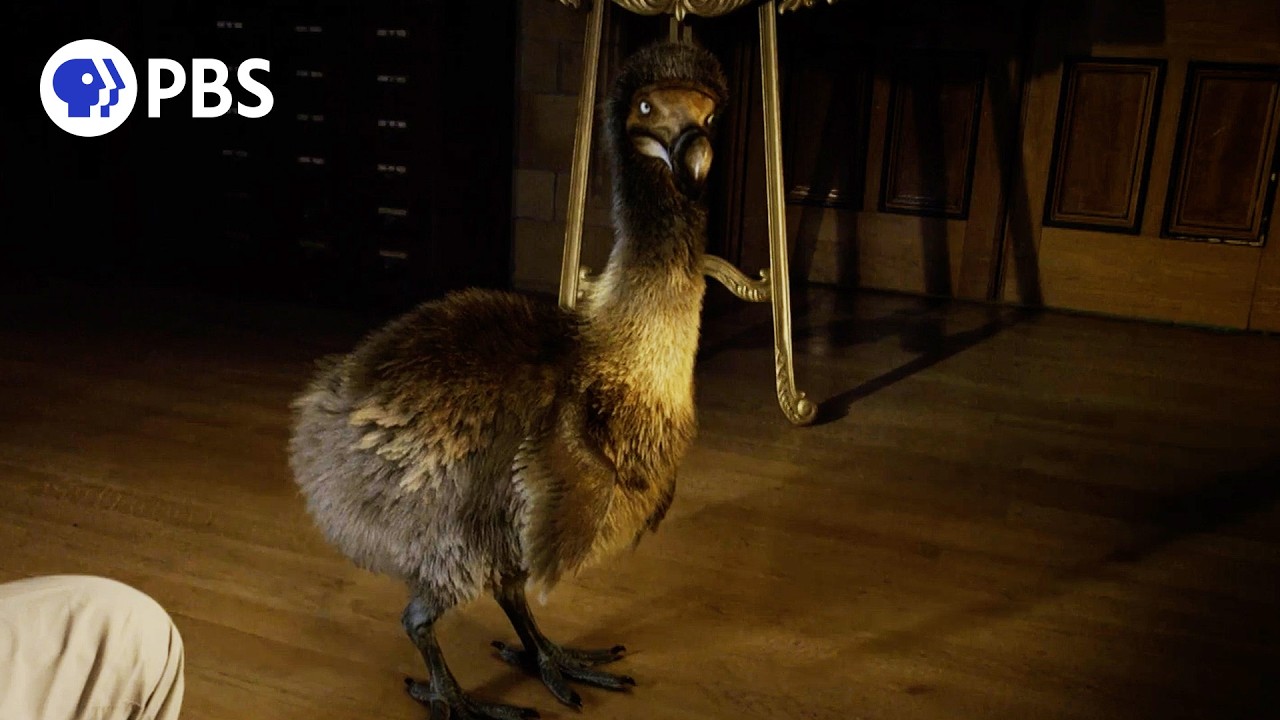
The Dodo (Raphus cucullatus) was a flightless bird that lived on the island of Mauritius in the Indian Ocean until its extinction in the late 17th century. It belonged to the pigeon and dove family (Columbidae) but evolved into a large, ground-dwelling bird due to the absence of natural predators on the island.
The dodo reached around 1 meter (3 feet) tall and weighed approximately 10–17 kilograms. It had a large hooked beak, strong legs, a bulky body, and small wings that were no longer capable of flight. Its wings were instead used for balance and possibly display.
Living in the forests of Mauritius, the dodo likely fed on fruits, seeds, roots, and other plant material. Because it evolved in isolation, it had little fear of humans or introduced animals, making it vulnerable after sailors and settlers arrived in the 16th century.
The extinction of the dodo was caused by a combination of human hunting, habitat destruction, and introduced species such as rats, pigs, and monkeys that ate its eggs. The last confirmed sightings occurred in the late 1600s, making it one of the most famous examples of human-caused extinction.
Dodo
The dodo was a flightless bird from Mauritius known for its large body, small wings, and extinction caused by human activity.