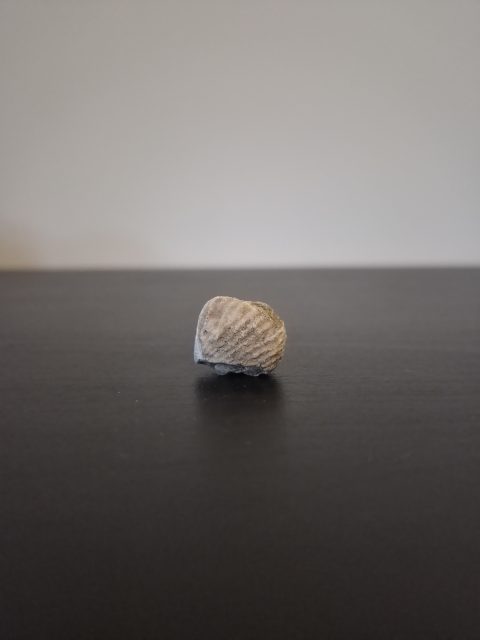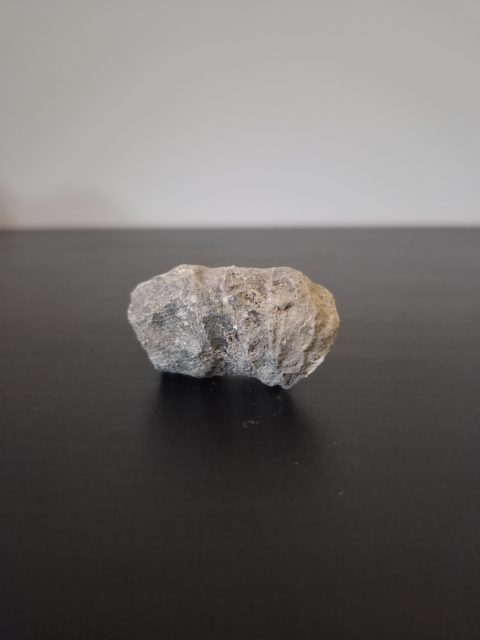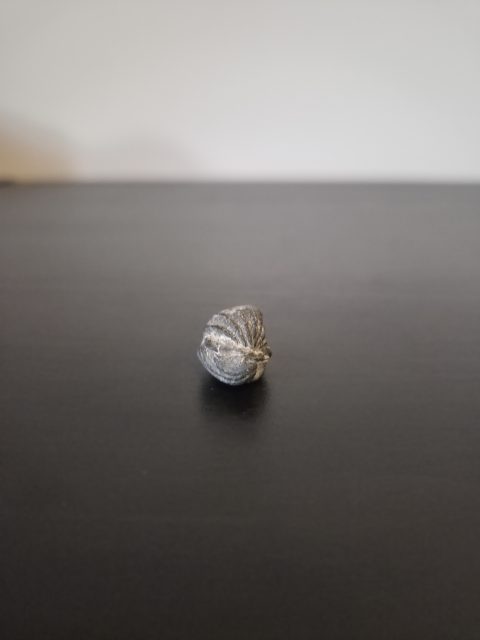
Trilobites were an extinct group of marine arthropods that belonged to the class Trilobita. They first appeared during the Early Cambrian, approximately 521 million years ago, and survived until the end of the Permian Period, about 252 million years ago. Their remarkable diversity, widespread distribution, and excellent fossil record make trilobites one of the most important groups of fossils for understanding the history of life on Earth.
More than 22,000 species of trilobites have been described, ranging in size from less than 1 centimeter (0.4 inches) to over 70 centimeters (28 inches) in length. Their bodies were divided into three distinct longitudinal lobes—one central lobe and two side lobes—which gave them their name. They also had three main body regions: the cephalon (head), thorax, and pygidium (tail).
Trilobites inhabited virtually every marine environment, from shallow coastal seas to deep ocean floors. Different species evolved a wide variety of lifestyles. Some crawled across the seabed scavenging for food, others burrowed into sediment, while certain species were active predators or filter feeders. Their diet likely included organic debris, worms, small invertebrates, plankton, and other microscopic organisms.
One of the most remarkable features of trilobites was their highly developed compound eyes, which were among the earliest complex eyes to evolve in animals. In many species, these eyes were made from the mineral calcite, making them unique among known animals. Some trilobites were also capable of rolling themselves into a tight ball, much like modern pill bugs, to protect their vulnerable underside from predators.
Throughout the Paleozoic Era, trilobites underwent extensive evolutionary diversification. They became especially abundant during the Ordovician Period, when marine life flourished. However, repeated extinction events gradually reduced their diversity over millions of years. The final surviving trilobites disappeared approximately 252 million years ago during the Permian–Triassic mass extinction, the largest extinction event in Earth's history.
The first scientifically described trilobite fossils were documented in the 18th century, and since then millions of specimens have been discovered on every continent. Their excellent preservation and rapid evolution make them valuable index fossils, helping geologists determine the age of sedimentary rock layers with great accuracy.
Today, trilobites are among the most recognizable and widely collected fossils. They provide invaluable insight into the evolution of arthropods, the development of early marine ecosystems, and the dramatic changes that shaped life during the Paleozoic Era.
Trilobite
An extinct group of marine arthropods that thrived for over 270 million years and are among the most abundant and important fossils in the world.