Triceratops was a large herbivorous dinosaur that lived during the Late Cretaceous, approximately 68 to 66 million years ago. It belonged to the family Ceratopsidae, a group of horned dinosaurs known for their elaborate frills and facial horns. Triceratops was among the last non-avian dinosaurs to evolve before the Cretaceous–Paleogene (K–Pg) mass extinction, which occurred around 66 million years ago.
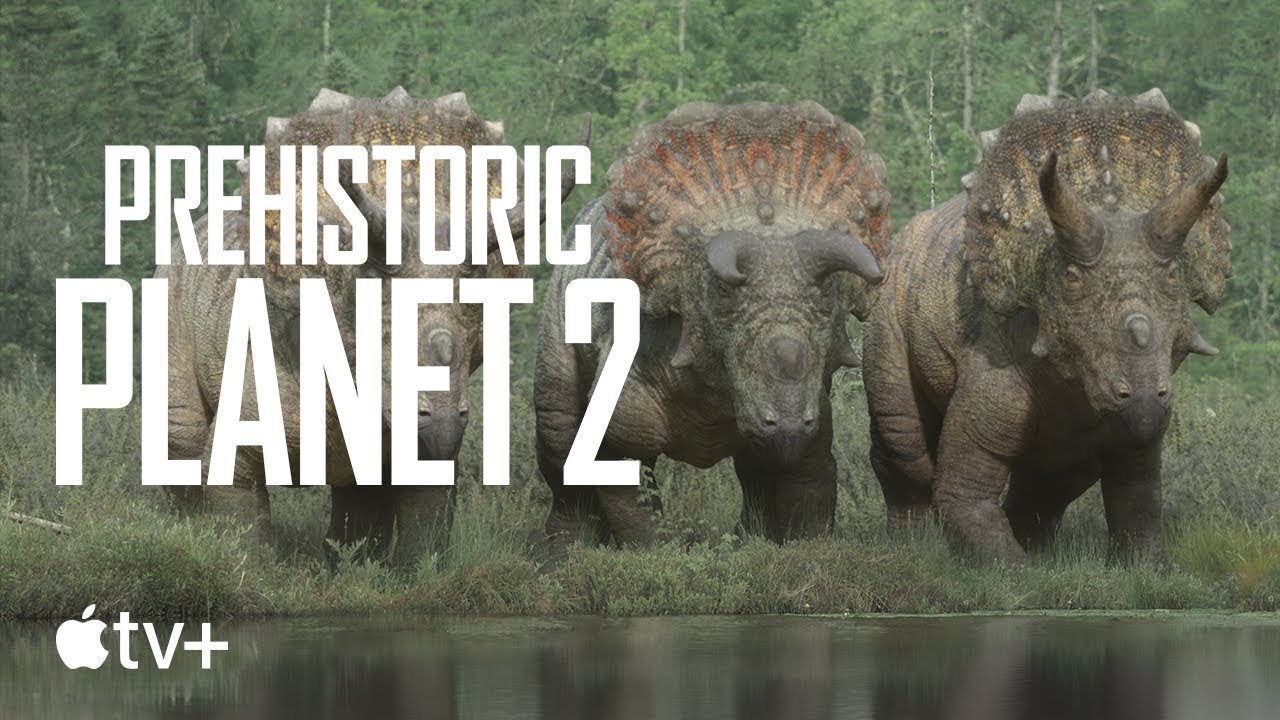
Growing up to 9 meters (30 feet) in length and weighing as much as 12 metric tons, Triceratops was one of the largest horned dinosaurs. It possessed a massive skull that could exceed 2.5 meters (8 feet) in length, making it one of the largest skulls of any known land animal. Its most recognizable features were the three facial horns—one above each eye and a smaller horn on its nose—along with a large bony frill extending from the back of its skull. These structures were likely used for defense, display, species recognition, and competition between individuals.
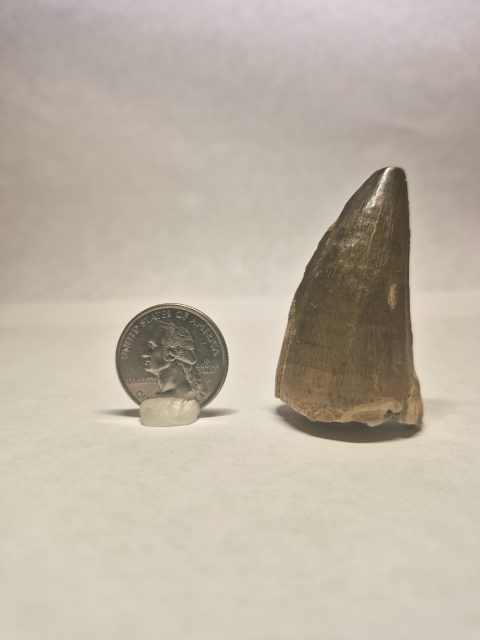
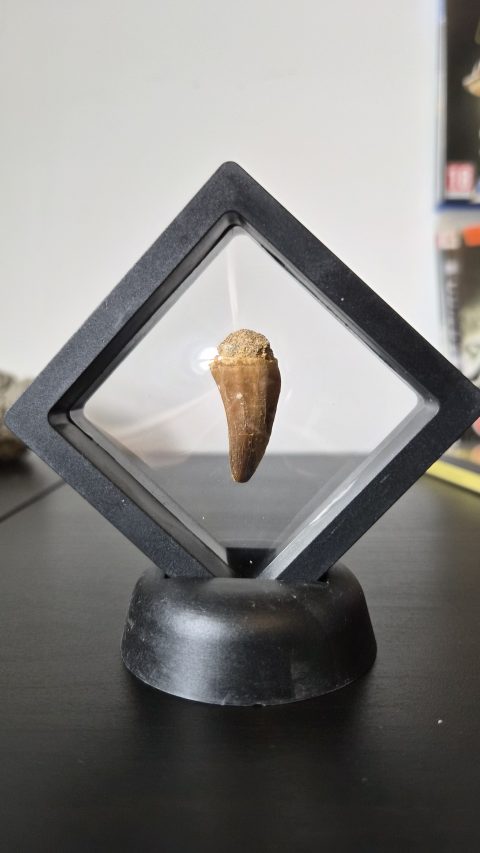
Triceratops inhabited the floodplains, forests, and river valleys of what is now western North America. As a herbivore, it fed primarily on low-growing vegetation such as ferns, cycads, palms, and flowering plants. Its strong beak and powerful jaws, equipped with hundreds of tightly packed teeth that formed dental batteries, allowed it to efficiently slice through tough plant material.
Fossil evidence suggests that Triceratops may have lived either alone or in small groups, although scientists continue to debate its social behavior. It shared its environment with many famous dinosaurs, including Tyrannosaurus rex, and fossil discoveries indicate that encounters between these two species sometimes resulted in injuries preserved on Triceratops skulls.
The first Triceratops fossils were discovered in the late 19th century during the famous Bone Wars, and since then hundreds of specimens have been found. It has become one of the best-known dinosaurs and is frequently used as a symbol of the Late Cretaceous ecosystem.
Triceratops became extinct approximately 66 million years ago during the Cretaceous–Paleogene (K–Pg) mass extinction, alongside all other non-avian dinosaurs. Today, it remains one of the most recognizable prehistoric animals and provides valuable insight into dinosaur evolution, behavior, and the ecosystems of the Late Cretaceous.
Triceratops
A large, three-horned herbivorous dinosaur that lived during the Late Cretaceous and is one of the most iconic dinosaurs ever discovered.