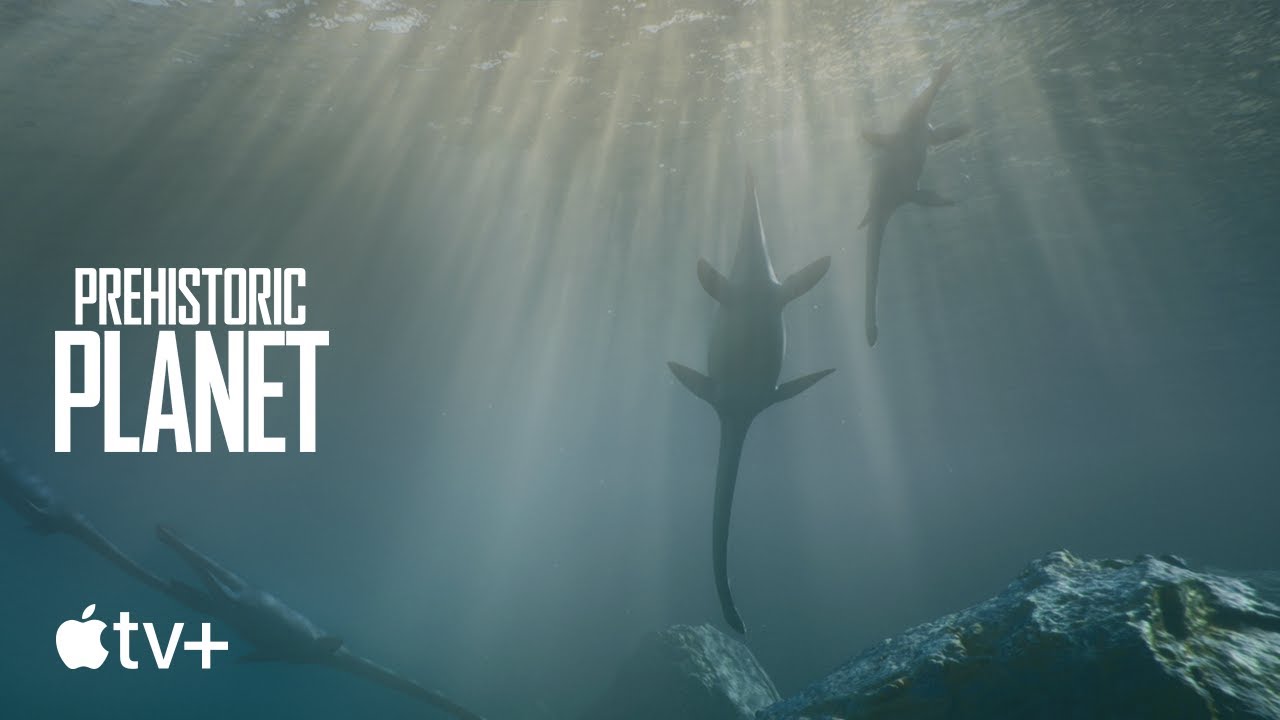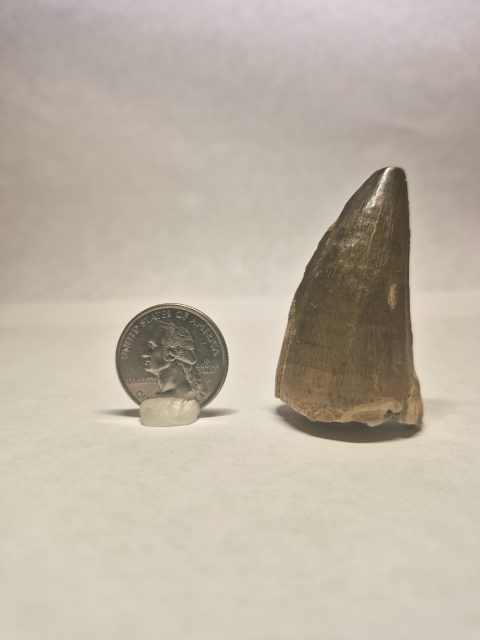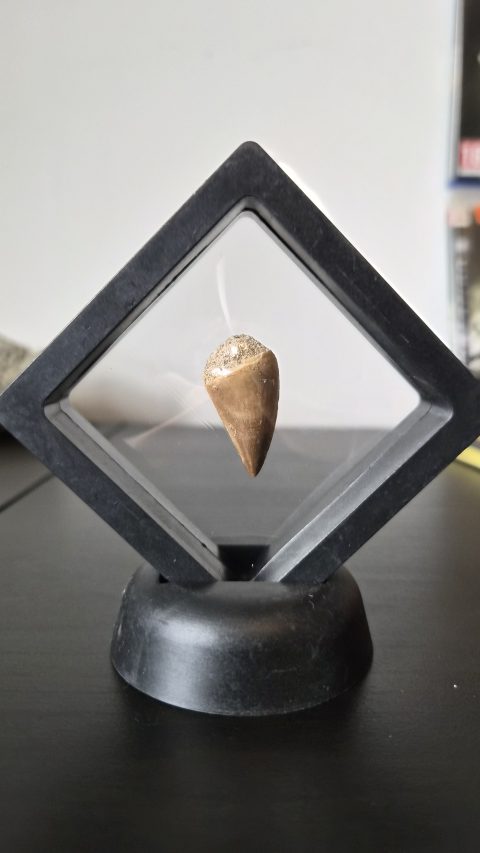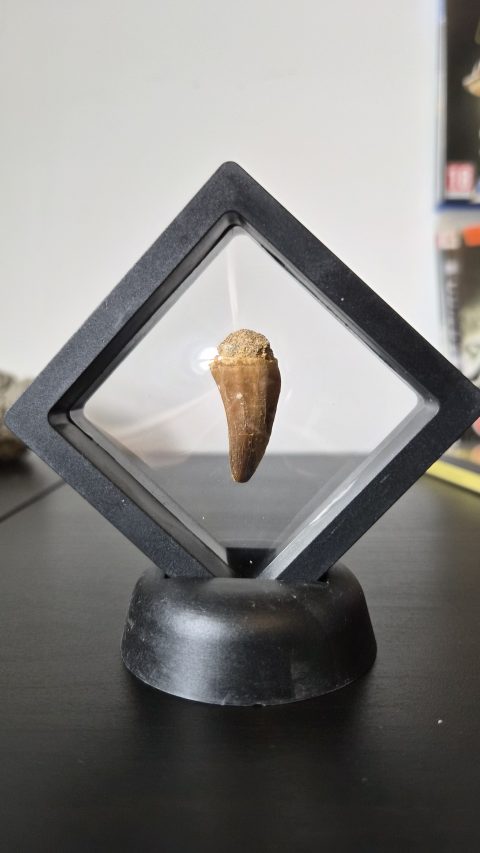
Tuarangisaurus was an extinct marine reptile that lived during the Late Cretaceous, approximately 84 to 72 million years ago. It belonged to the family Elasmosauridae, a group of plesiosaurs famous for their exceptionally long necks and streamlined bodies. Although it lived alongside dinosaurs, Tuarangisaurus was not a dinosaur, but a fully aquatic marine reptile adapted to life in the ocean.
Adults measured approximately 8 to 9 meters (26–30 feet) in length. Much of this length came from its remarkably long neck, which contained dozens of elongated vertebrae. Its body was broad and streamlined, equipped with four powerful paddle-like flippers that allowed it to "fly" through the water using graceful underwater strokes. Like other elasmosaurs, Tuarangisaurus had a relatively small head with numerous slender, sharp teeth designed for capturing slippery prey.
Tuarangisaurus inhabited the warm, shallow seas that covered much of what is now New Zealand during the Late Cretaceous. At the time, New Zealand formed part of the southern supercontinent Gondwana and was surrounded by rich marine ecosystems teeming with fish, squid, ammonites, and other marine reptiles.
Its long neck allowed Tuarangisaurus to approach prey with minimal body movement, reducing the chance of startling fish or squid before striking. It likely fed primarily on small fish, cephalopods, and other marine animals, using its sharp teeth to grasp rather than chew its prey, which was swallowed whole.
The first fossils of Tuarangisaurus were discovered on New Zealand's South Island and were formally described in 1986. The genus is named after the M?ori word "Tuarangi," meaning "ancient," combined with the Greek word "sauros," meaning "lizard." Fossil discoveries from New Zealand have helped scientists better understand the diversity of marine reptiles that inhabited the southern oceans during the Late Cretaceous.
Like all plesiosaurs, Tuarangisaurus breathed air and periodically surfaced to inhale before diving again. It gave birth to live young rather than laying eggs on land, allowing it to spend its entire life at sea.
Tuarangisaurus became extinct approximately 66 million years ago during the Cretaceous–Paleogene (K–Pg) mass extinction, the same event that eliminated the non-avian dinosaurs, ammonites, and many other marine reptiles. Today, it is regarded as one of the most significant marine reptile discoveries from New Zealand and provides valuable insight into the evolution of elasmosaurid plesiosaurs.
Tuarangisaurus
A medium-sized long-necked marine reptile that lived during the Late Cretaceous in the seas surrounding ancient New Zealand.