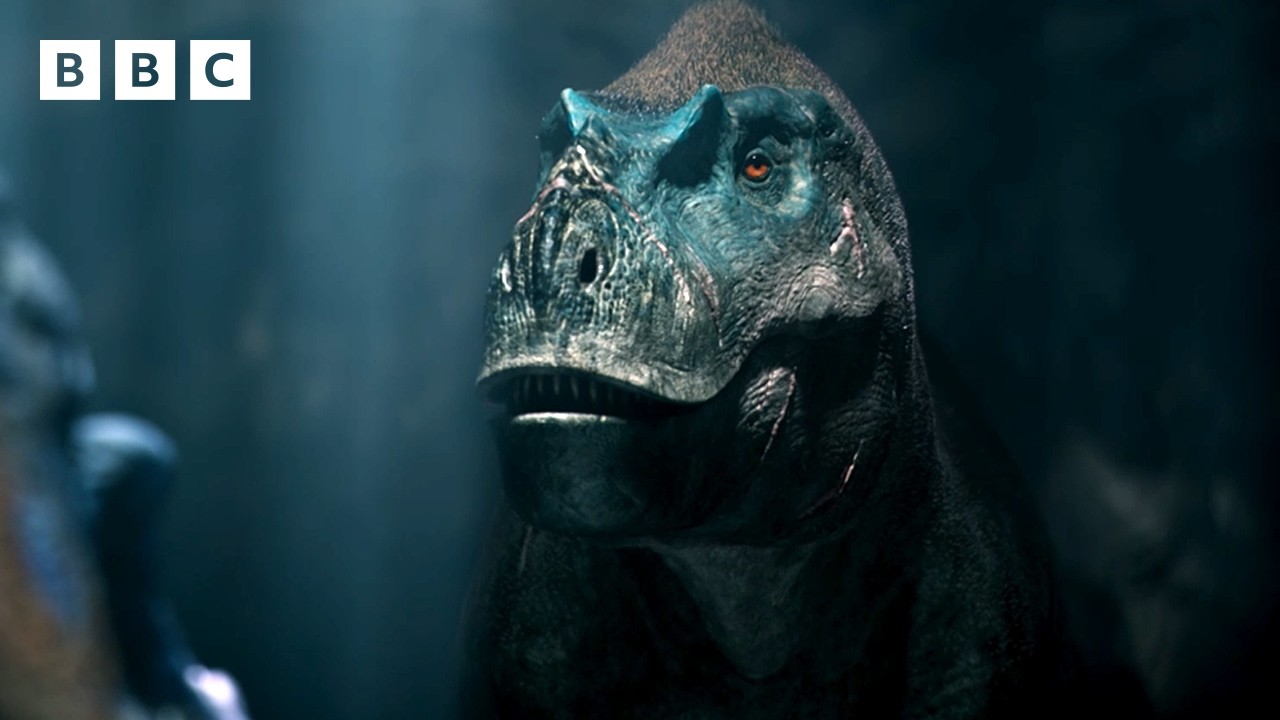
Albertosaurus was a large tyrannosaurid theropod dinosaur that lived during the Late Cretaceous Period, approximately 71–68 million years ago. It was discovered in western North America, especially in Alberta, Canada, where its fossils were found in the Horseshoe Canyon Formation.
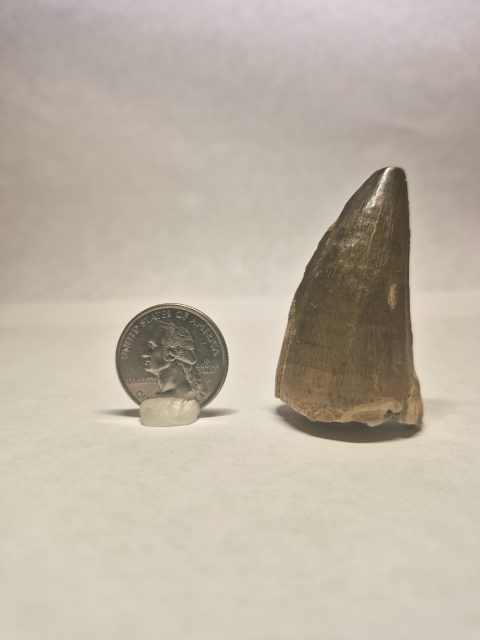
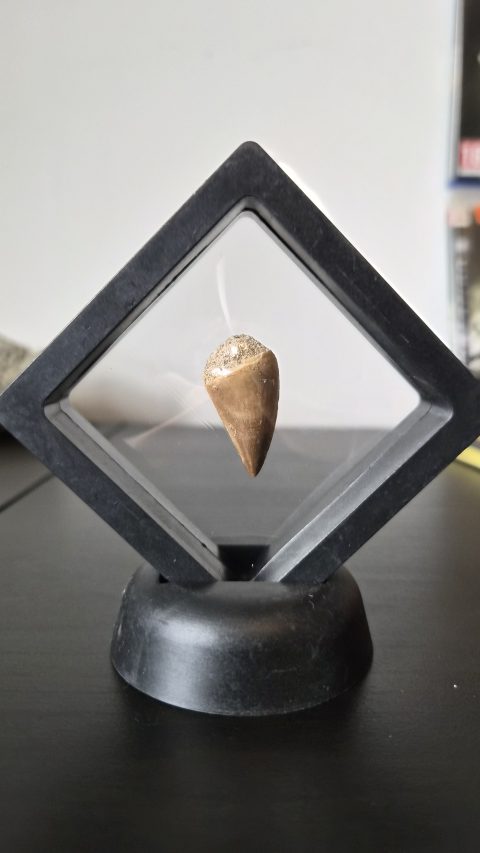
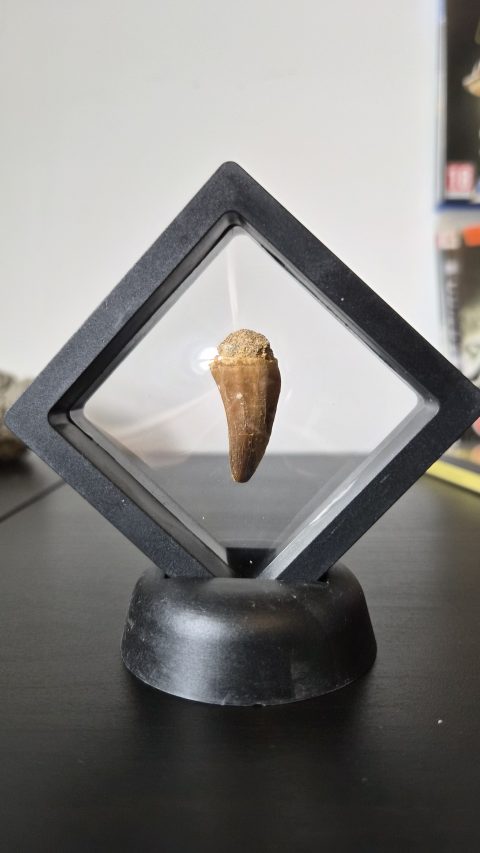
Albertosaurus was a close relative of Tyrannosaurus rex, but it was smaller and more lightly built. It had a large skull filled with sharp, serrated teeth, powerful jaws, strong hind legs, and very small two-fingered arms. Its lighter body structure likely made it faster and more agile than some of the larger tyrannosaurids.
Reaching around 8–10 meters (26–33 feet) in length and weighing approximately 1.5–4 tonnes, Albertosaurus was one of the dominant predators of its ecosystem. It likely hunted large herbivorous dinosaurs such as Pachyrhinosaurus and Edmontosaurus.
Several Albertosaurus fossils have been discovered together at the famous Dry Island Bonebed, leading scientists to suggest that they may have lived or hunted in groups. If true, this would make Albertosaurus one of the earliest known examples of possible social behavior in tyrannosaurids.
Albertosaurus
Albertosaurus was a large tyrannosaurid theropod dinosaur from the Late Cretaceous known for its speed, powerful bite, and close relationship to Tyrannosaurus rex.