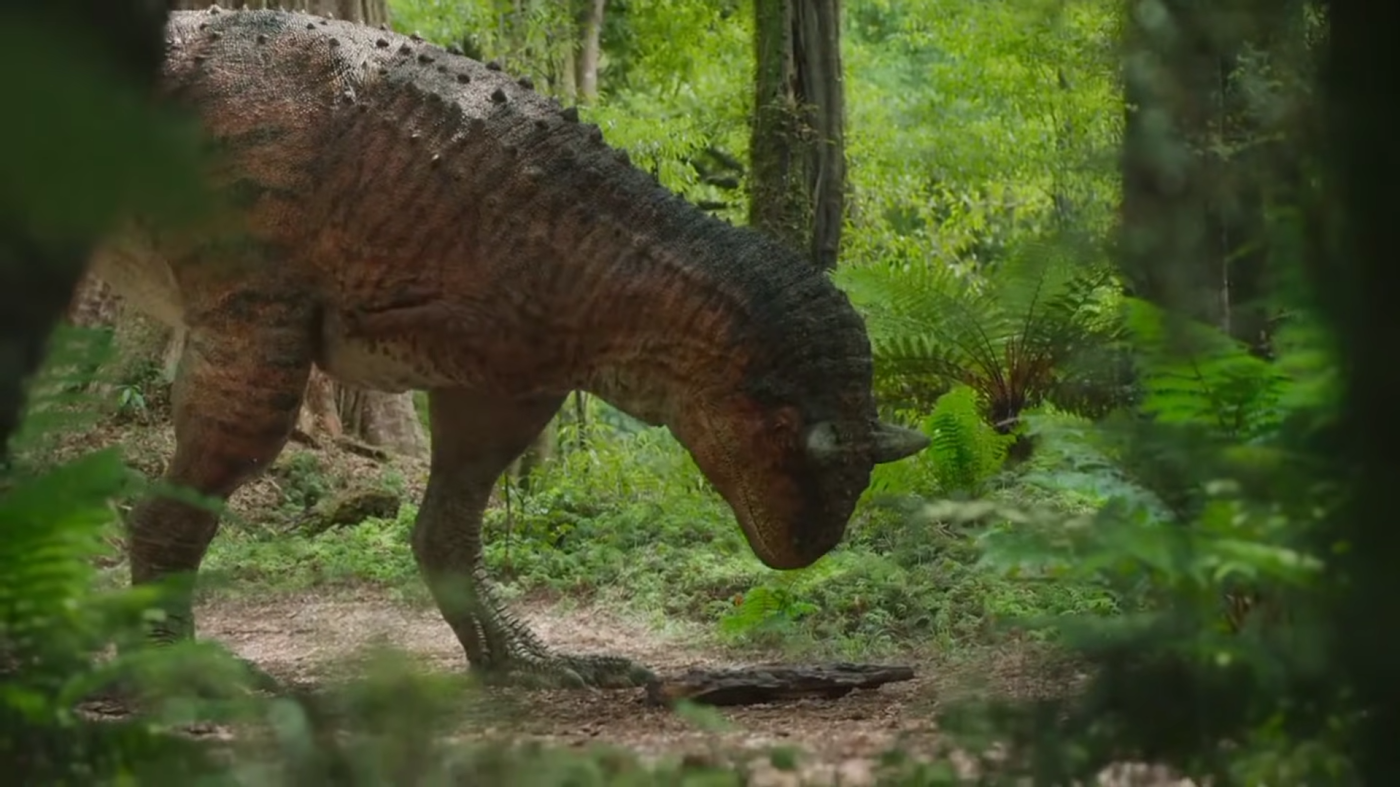
Carnotaurus was a large abelisaurid theropod dinosaur that lived during the Late Cretaceous Period, approximately 72–69 million years ago. It was discovered in Patagonia, Argentina, where its fossils were found in the La Colonia Formation.
Carnotaurus was a highly specialized predator with a unique appearance. It had two thick horns above its eyes, a short, deep skull, extremely small arms, and a muscular body built for speed. Its name means "meat-eating bull", referring to its carnivorous diet and bull-like horns.
Reaching around 7.5–9 meters (25–30 feet) in length and weighing approximately 1.5–2 tonnes, Carnotaurus was smaller than some other giant theropods but was likely a fast and agile hunter. Its long tail and powerful hind legs suggest it was adapted for quick bursts of speed.
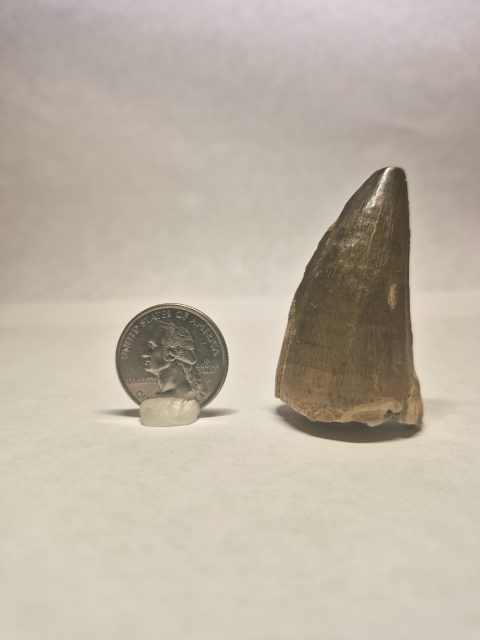
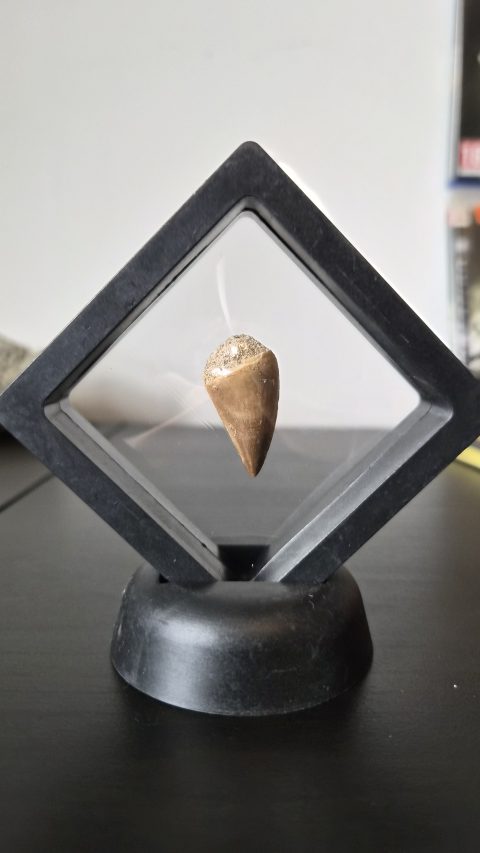
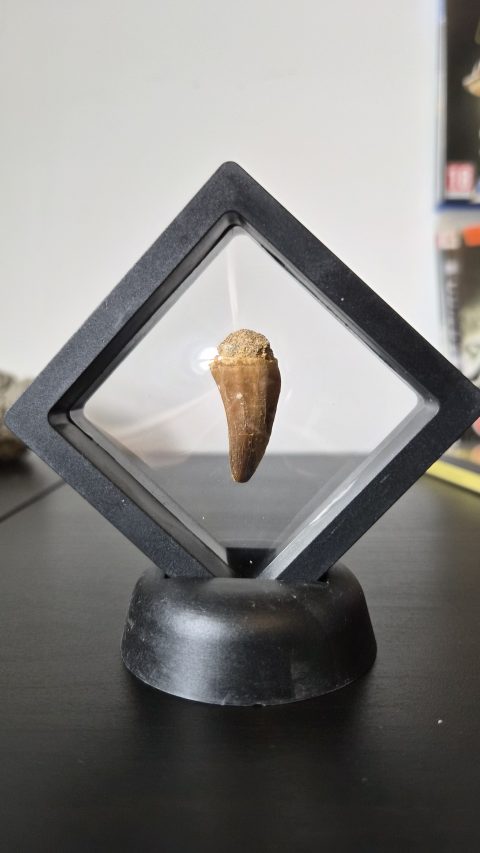
Carnotaurus had a relatively short snout and small, blade-like teeth suited for grabbing and slicing prey. The function of its horns is still debated, but they may have been used for display, species recognition, or combat between individuals.
Unlike many theropods, Carnotaurus fossils preserve evidence of skin impressions, showing that it had small scales and possibly rows of bony structures called osteoderms along its body.
Carnotaurus
Carnotaurus was a fast, horned abelisaurid theropod dinosaur from the Late Cretaceous known for its tiny arms and distinctive skull horns.