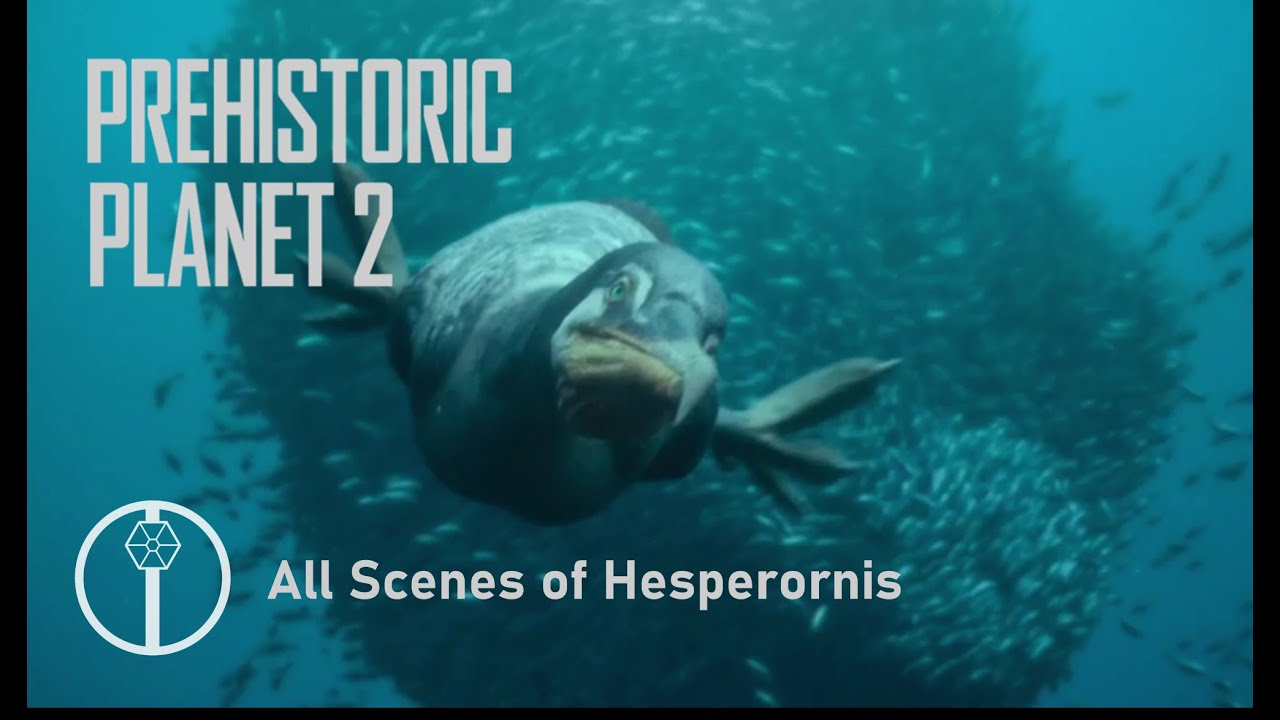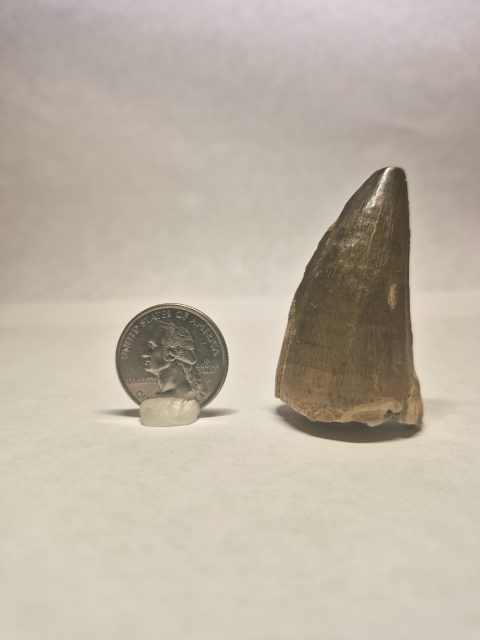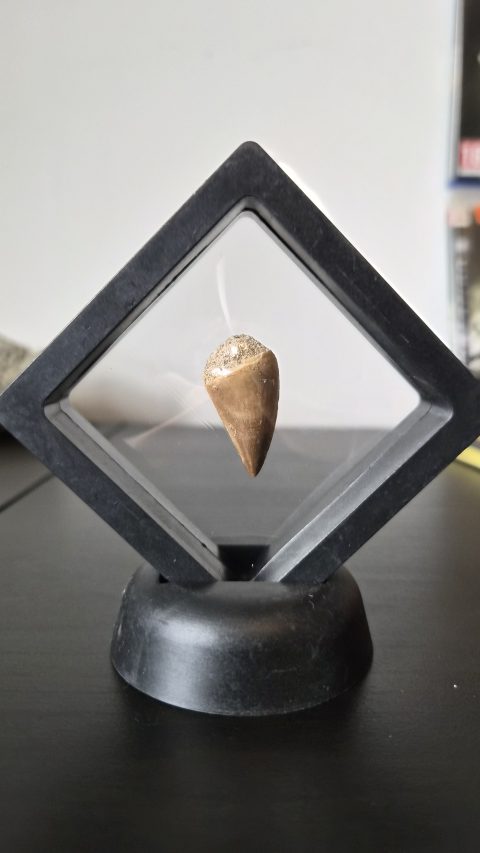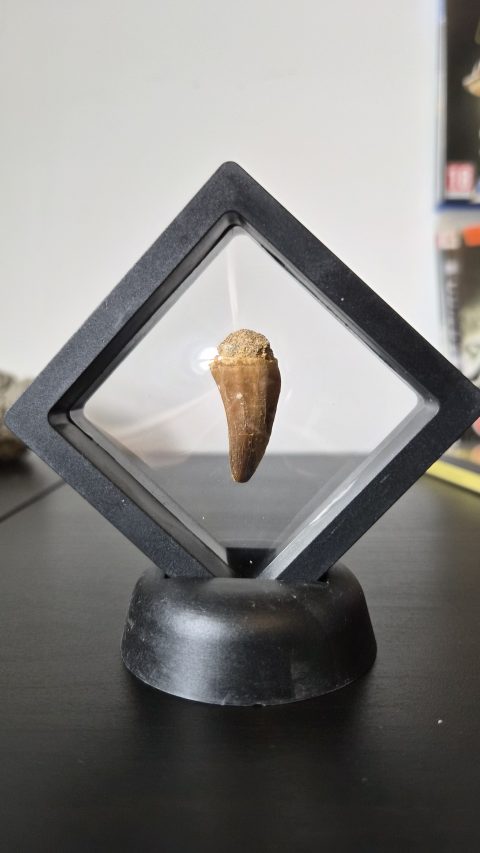
Hesperornis was a large flightless prehistoric bird that lived during the Late Cretaceous Period, approximately 83–78 million years ago. It inhabited the shallow seas that covered parts of North America, where its fossils have been found in marine deposits across regions such as Kansas and the Western Interior Seaway.
Hesperornis was highly adapted for life in the water. It had a long, streamlined body, powerful hind legs, and webbed feet that allowed it to swim efficiently. Unlike modern birds, it had jaws lined with small, sharp teeth, which it used to catch fish and other marine animals.
Although it had wings, they were greatly reduced and could not be used for flight. Instead, Hesperornis relied almost entirely on its legs for movement through the water. Its long neck and pointed beak helped it hunt aquatic prey, similar to modern diving birds such as loons and grebes.
Hesperornis reached lengths of around 1.5–1.8 meters (5–6 feet) and represents an important stage in bird evolution. It lived alongside other famous Cretaceous animals and provides evidence of the diversity of early bird lineages before the mass extinction at the end of the Cretaceous.
Hesperornis
Hesperornis was a flightless marine bird from the Late Cretaceous known for its powerful swimming ability, sharp teeth, and aquatic lifestyle.