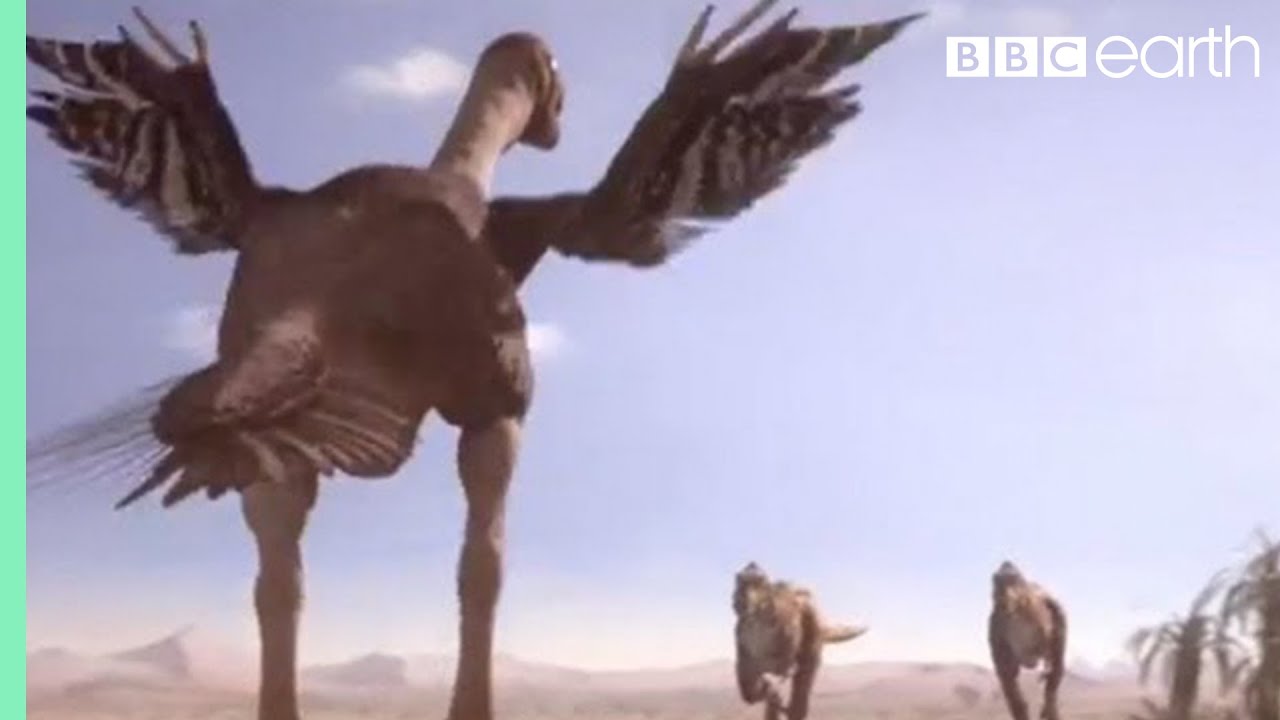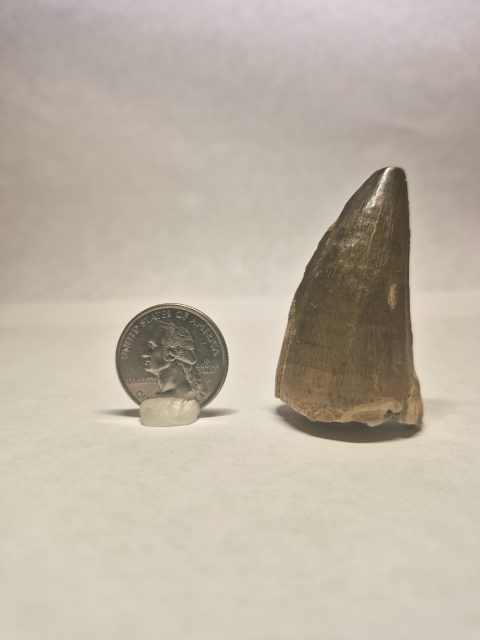
Oviraptorids were a group of small to medium-sized feathered theropod dinosaurs that lived during the Late Cretaceous Period, approximately 100–66 million years ago. They were part of the larger group Oviraptorosauria and were closely related to modern birds.
Unlike many other theropods, oviraptorids had toothless beaks and were likely omnivorous, feeding on a variety of foods including plants, seeds, fruits, small animals, insects, and possibly eggs. Their strong jaws and beaks allowed them to process different types of food.
Oviraptorids had lightweight bodies, long tails, powerful hind legs, and arms covered with feathers. Many species possessed distinctive head crests, similar to those of modern birds such as cassowaries, which may have been used for display, communication, or recognizing members of their own species.
They ranged in size from small, turkey-sized species to larger forms such as Gigantoraptor, which reached several meters in length. Fossil evidence shows that some oviraptorids cared for their nests, sitting on eggs in a bird-like posture, providing important evidence of dinosaur-to-bird evolutionary behavior.
Oviraptorid
Oviraptorids were feathered, bird-like theropod dinosaurs from the Late Cretaceous known for their beaks, crests, and diverse diets.