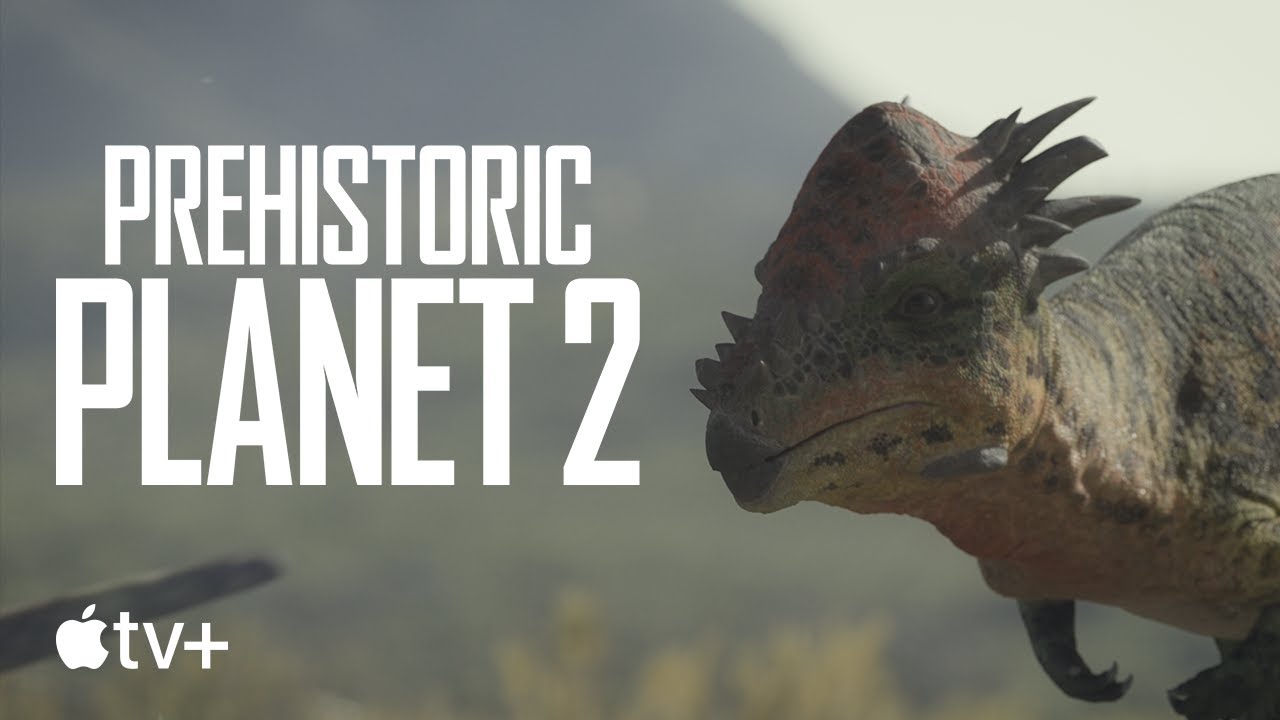
Pachycephalosaurus was a medium-sized dinosaur that lived during the Late Cretaceous, approximately 70 to 66 million years ago. It belonged to the family Pachycephalosauridae, a group of dinosaurs known for their unusually thick skulls. Pachycephalosaurus is the largest and most famous member of this family and is easily recognized by its rounded, dome-shaped head.
Adults measured up to 4.5 meters (15 feet) in length and weighed around 450 kilograms (1,000 pounds). It walked on two powerful hind legs and balanced itself with a long, stiff tail. Its most distinctive feature was its skull dome, which could be up to 25 centimeters (10 inches) thick. The dome was surrounded by small bony knobs and short spikes, giving the animal a unique appearance.
Scientists have long debated the purpose of Pachycephalosaurus' thick skull. One popular theory suggests that males may have used their domed heads in head-butting contests to compete for mates or establish dominance, similar to modern bighorn sheep. Other researchers believe the skull was more likely used for flank-butting or display rather than direct head-to-head impacts. While the exact behavior remains uncertain, the reinforced skull clearly played an important role in the animal's biology.
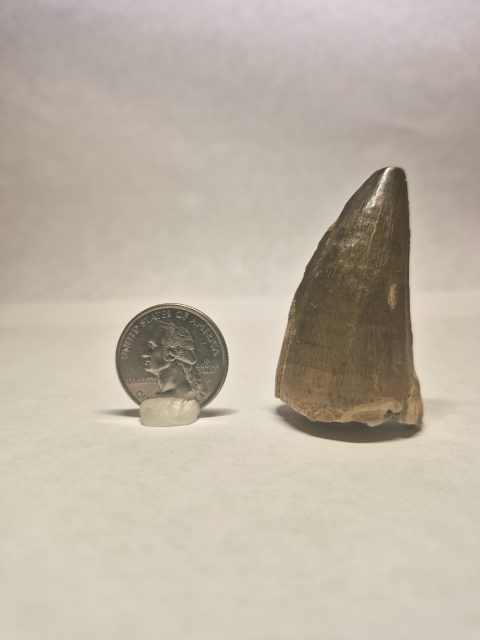
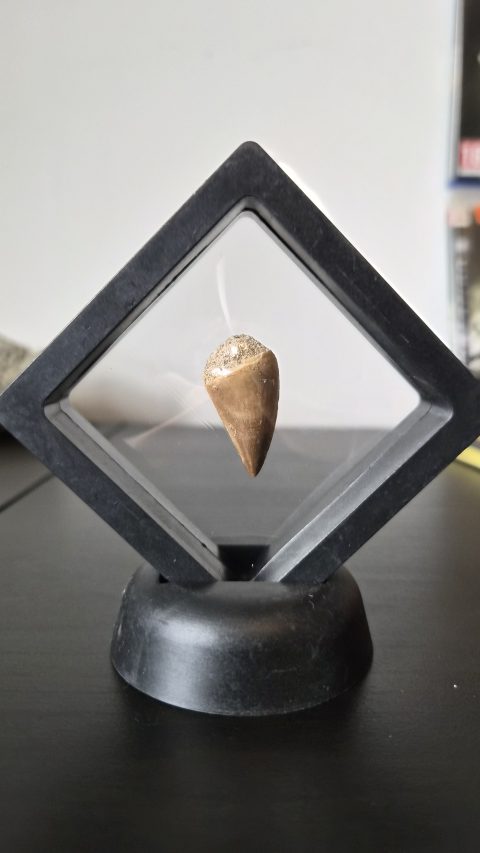
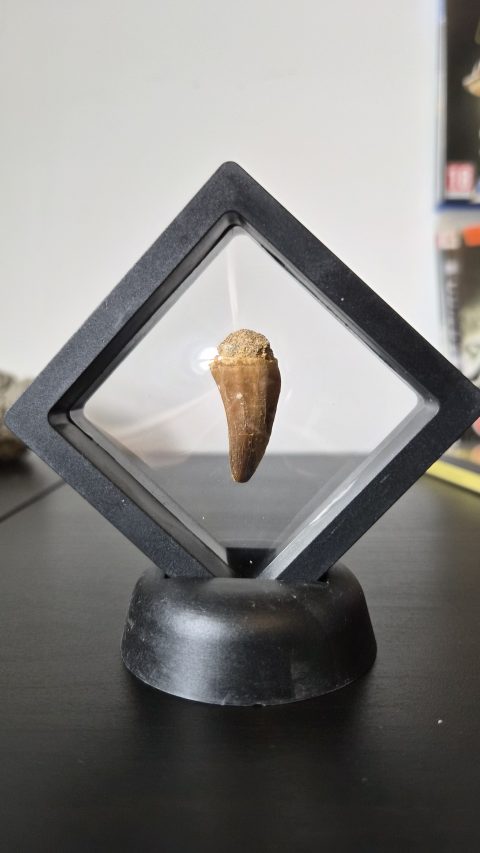
Pachycephalosaurus inhabited forests and floodplains across what is now western North America. Its diet is thought to have consisted mainly of leaves, fruits, seeds, and other vegetation, although some scientists suggest it may have been omnivorous, occasionally feeding on insects or small animals. Its small, serrated teeth were better suited for processing soft plant material than tough vegetation.
Compared to many of the giant dinosaurs of its time, Pachycephalosaurus was relatively agile and likely relied on speed and awareness to avoid predators. It shared its environment with famous dinosaurs such as Tyrannosaurus rex, Triceratops, Ankylosaurus, and Edmontosaurus during the final few million years of the Cretaceous Period.
The first fossils of Pachycephalosaurus were discovered in North America during the early 20th century, and the species was formally described in 1931. Since then, additional discoveries have helped scientists better understand its anatomy, growth, and possible behavior, although complete skeletons remain relatively rare.
Pachycephalosaurus became extinct approximately 66 million years ago during the Cretaceous–Paleogene (K–Pg) mass extinction, the same event that eliminated all non-avian dinosaurs. Today, it remains one of the most distinctive dinosaurs because of its remarkable dome-shaped skull and continues to be the subject of research into dinosaur behavior and evolution.
Pachycephalosaur
A bipedal herbivorous or omnivorous dinosaur famous for its thick, dome-shaped skull, which lived in North America during the Late Cretaceous.