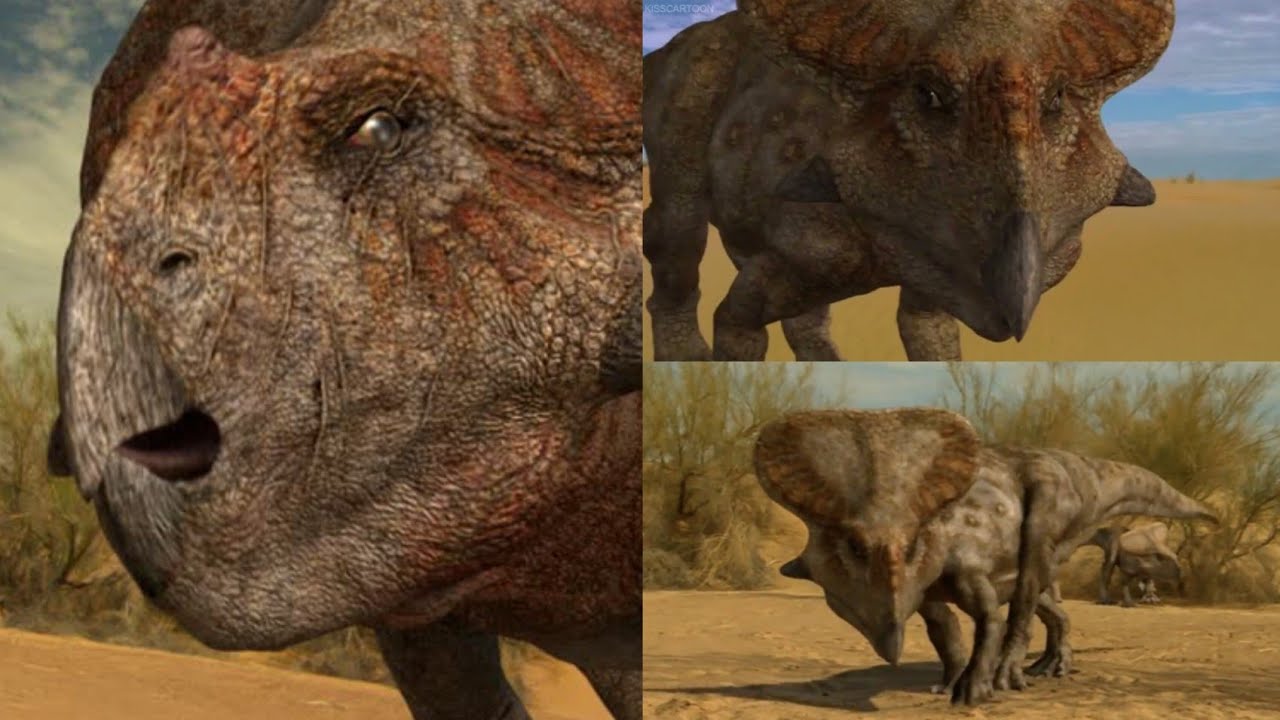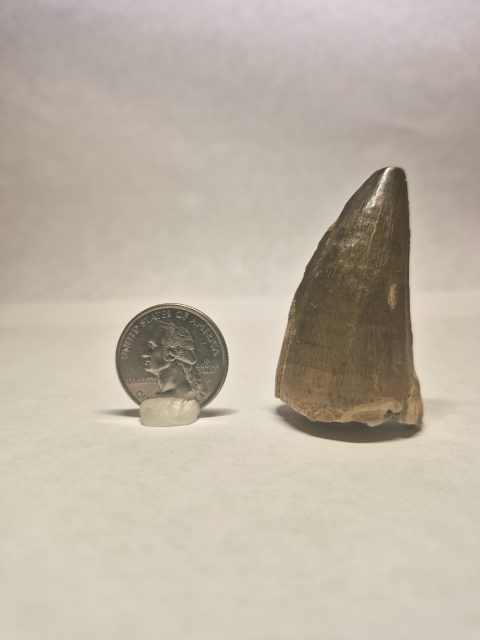
Protoceratops was a small ceratopsian dinosaur that lived during the Late Cretaceous Period, approximately 75–71 million years ago. It was discovered in the Gobi Desert of Mongolia, where its fossils were found in the Djadokhta Formation.
Unlike later ceratopsians such as Triceratops, Protoceratops did not have large facial horns. Instead, it had a large bony neck frill extending from the back of its skull. This frill may have been used for display, species recognition, protection of the neck, or competition between individuals.
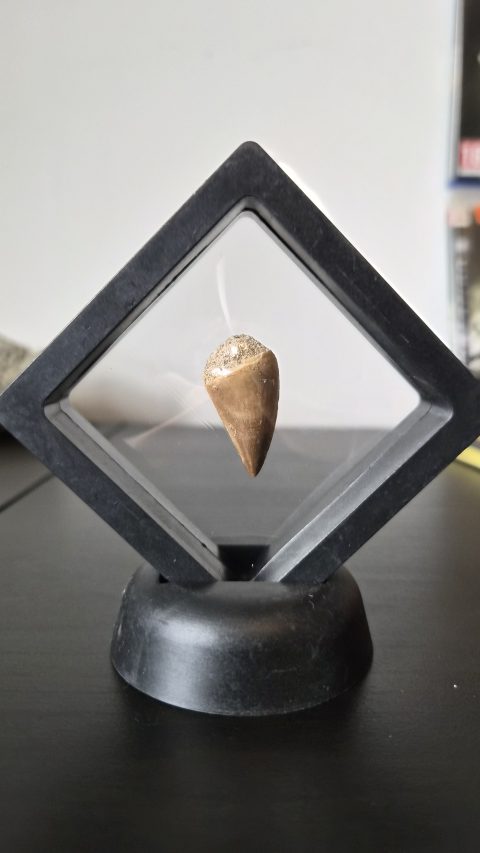
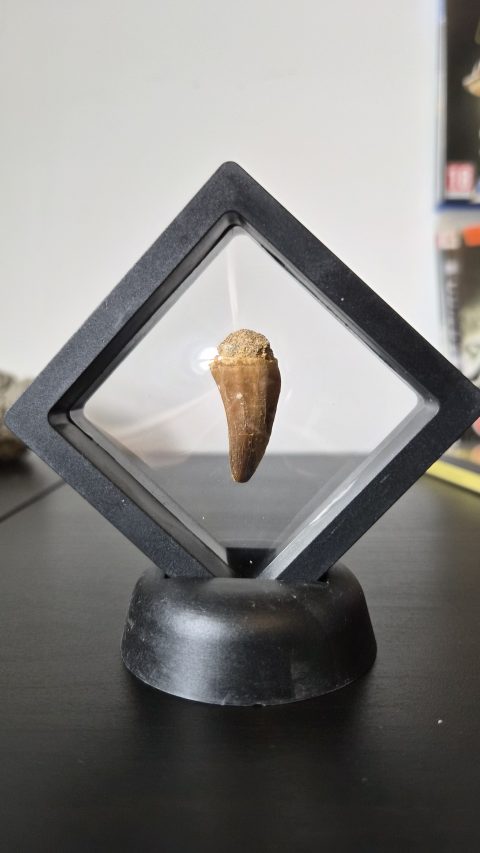
Protoceratops had a compact, four-legged body, a strong beak-like mouth, and rows of teeth adapted for grinding plant material. It was a herbivore that likely fed on low-growing vegetation such as ferns, shrubs, and other desert plants.
Growing to around 2 meters (6.5 feet) in length and weighing approximately 150–180 kilograms, Protoceratops was relatively small compared with later horned dinosaurs. It lived alongside predators such as Velociraptor, and one famous fossil discovery preserved a Protoceratops and Velociraptor apparently locked in combat.
Protoceratops is one of the best-known early ceratopsians and provides important information about the evolution of horned dinosaurs.
Protoceratops
Protoceratops was a small hornless ceratopsian dinosaur from the Late Cretaceous known for its large frill, beaked skull, and fossils from Mongolia.