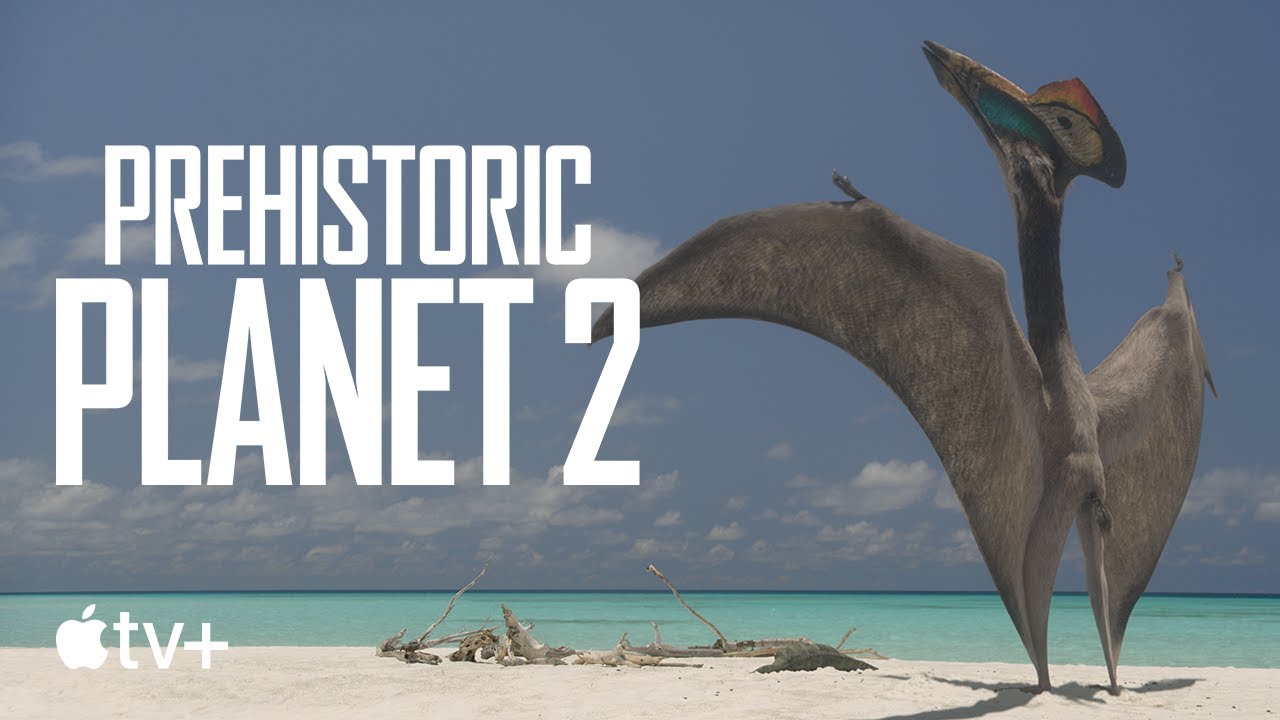
Pterosaurs were an extinct group of flying reptiles that lived from the Late Triassic to the end of the Late Cretaceous, approximately 228 to 66 million years ago. They belonged to the order Pterosauria and were the first vertebrates to achieve powered flight. Although they lived alongside dinosaurs, pterosaurs were not dinosaurs. Instead, they were a closely related group of reptiles that evolved their own unique adaptations for life in the air.
Pterosaurs varied enormously in size. Early species had wingspans of less than 1 meter (3 feet), while the largest species, such as Quetzalcoatlus, reached wingspans of up to 10–11 meters (33–36 feet), making them the largest flying animals known to have existed.
Their wings consisted of a thin membrane of skin, muscle, and connective tissue stretched between the body and an extremely elongated fourth finger. Unlike birds, whose wings are covered in feathers, pterosaur wings were supported primarily by this single extended finger. Their bodies were covered with hair-like filaments called pycnofibers, which likely helped regulate body temperature.
Pterosaurs occupied a wide range of environments, including coastlines, rivers, forests, deserts, and inland plains across every continent. Different species evolved specialized diets. Some caught fish by skimming over the water, while others fed on insects, small vertebrates, carrion, shellfish, or fruit. Their beaks varied greatly, with some species possessing long, tooth-filled jaws and others having toothless beaks adapted to different feeding strategies.
Pterosaurs were highly adapted for flight, with lightweight hollow bones, powerful flight muscles, and efficient respiratory systems. Fossil evidence suggests many species launched themselves into the air using all four limbs before transitioning into powered flight.
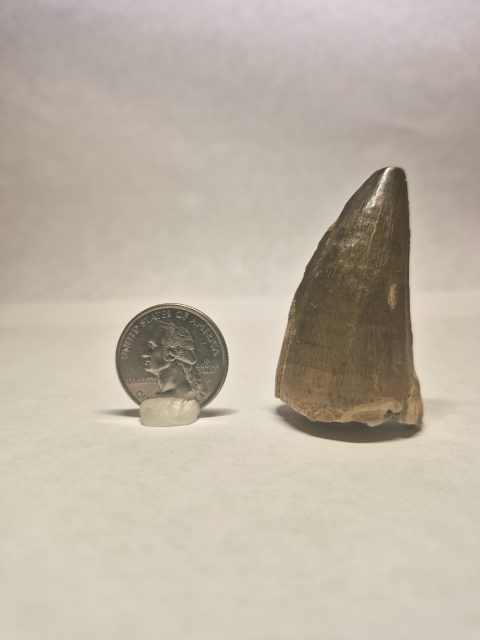
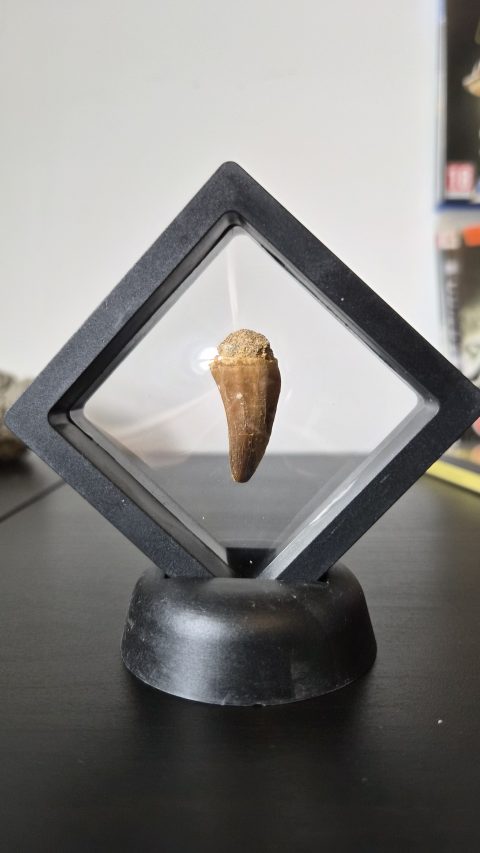
The first pterosaur fossil was discovered in Germany in the late 18th century, and since then more than 200 species have been described. Famous genera include Pteranodon, Rhamphorhynchus, Dimorphodon, and Quetzalcoatlus, each representing different stages in the evolution of these remarkable flying reptiles.
Pterosaurs became extinct approximately 66 million years ago during the Cretaceous–Paleogene (K–Pg) mass extinction, the same event that eliminated the non-avian dinosaurs, ammonites, and many other forms of life. Today, they remain one of the most fascinating examples of vertebrate flight and continue to provide important insights into the evolution of reptiles and the ecosystems of the Mesozoic Era.
Pterosaur
Flying reptiles that dominated the skies for over 150 million years, living alongside the dinosaurs from the Late Triassic to the end of the Cretaceous.