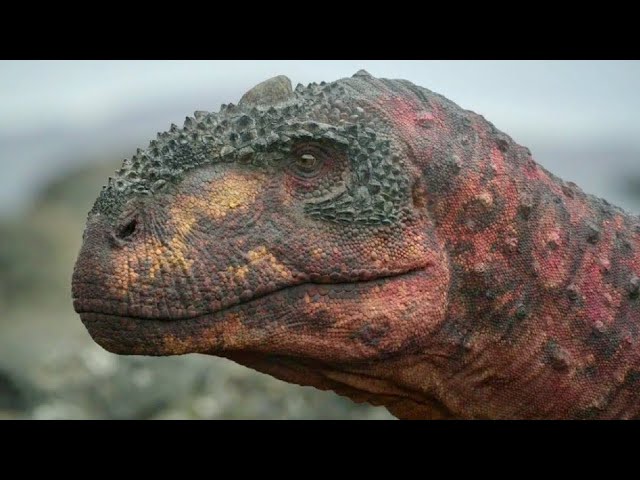
Rajasaurus was a large carnivorous dinosaur that lived during the Late Cretaceous, approximately 67 to 66 million years ago. It belonged to the family Abelisauridae, a group of theropod dinosaurs that dominated the southern continents after the breakup of the supercontinent Gondwana. Its name, meaning "princely lizard," reflects its status as one of the largest predators known from the Indian subcontinent.
Adults measured around 7 to 9 meters (23–30 feet) in length and weighed approximately 2 to 3 metric tons. Like other abelisaurids, Rajasaurus had a robust body, powerful hind legs, a thick neck, and extremely short forelimbs. Its most distinctive feature was the single low horn located on top of its skull, formed by thickened bones on the forehead. This horn may have been used for display, species recognition, or head-pushing contests with rivals.
Rajasaurus inhabited river valleys, floodplains, and coastal environments in what is now western India. During the Late Cretaceous, India was an isolated island continent drifting northward across the ancient Tethys Ocean. This isolation allowed unique dinosaur species to evolve independently from those on other continents.
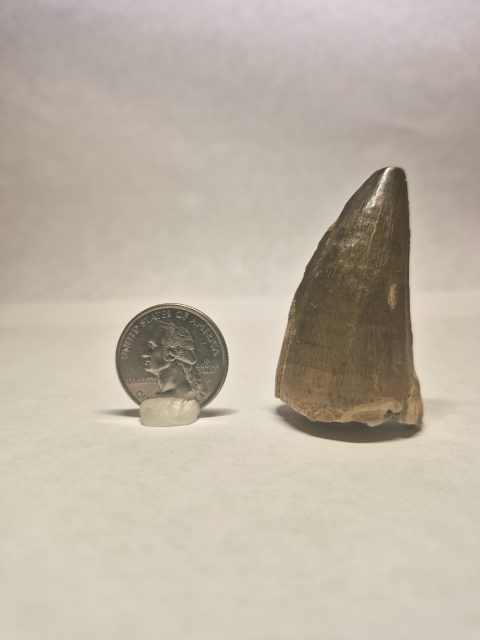
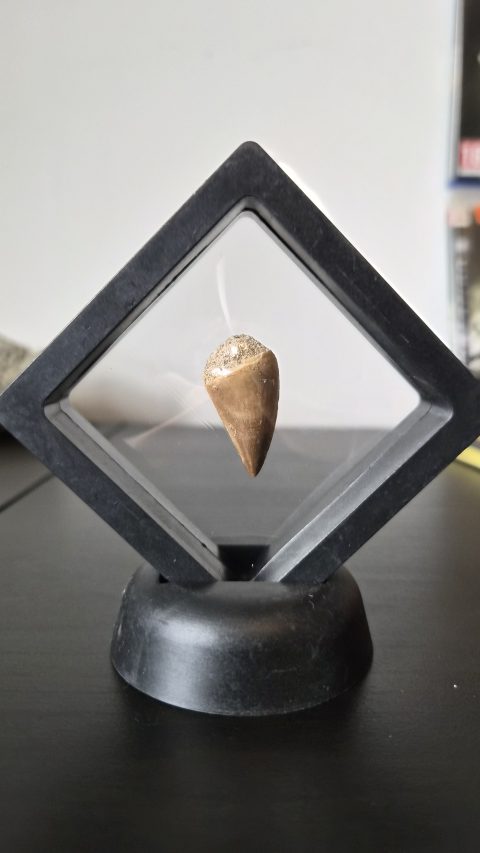
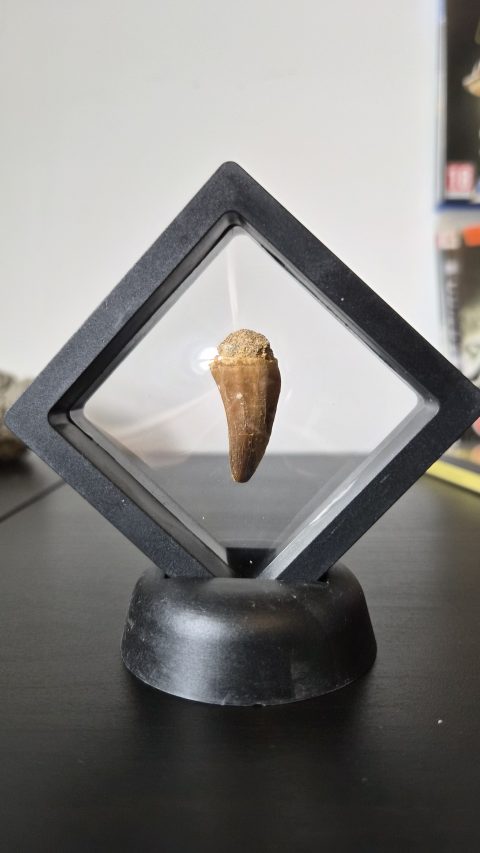
As an apex predator, Rajasaurus hunted large herbivorous dinosaurs, including titanosaurs that shared its environment. Its deep skull and powerful jaws were equipped with sharp, serrated teeth capable of tearing through flesh. Although its bite was not as powerful as that of Tyrannosaurus rex, it was a highly effective predator within its ecosystem.
The first fossils of Rajasaurus were discovered in the Lameta Formation of Gujarat, India, and the species Rajasaurus narmadensis was formally described in 2003. The discovery included a well-preserved skull, allowing scientists to identify its unique horn and establish it as one of the best-known Indian dinosaurs. Its fossils have provided valuable insights into the evolution of abelisaurids across the ancient southern continents.
Rajasaurus became extinct approximately 66 million years ago during the Cretaceous–Paleogene (K–Pg) mass extinction, the same event that eliminated all non-avian dinosaurs. The massive volcanic eruptions that formed the Deccan Traps in India were already transforming its environment before the asteroid impact, and together these events contributed to the disappearance of this remarkable predator.
Today, Rajasaurus is regarded as one of India's most important dinosaur discoveries and represents a key member of the unique dinosaur fauna that evolved on the isolated Indian landmass during the Late Cretaceous.
Rajasaurus
A large carnivorous dinosaur from India that lived during the Late Cretaceous and was distinguished by the prominent horn on its head.