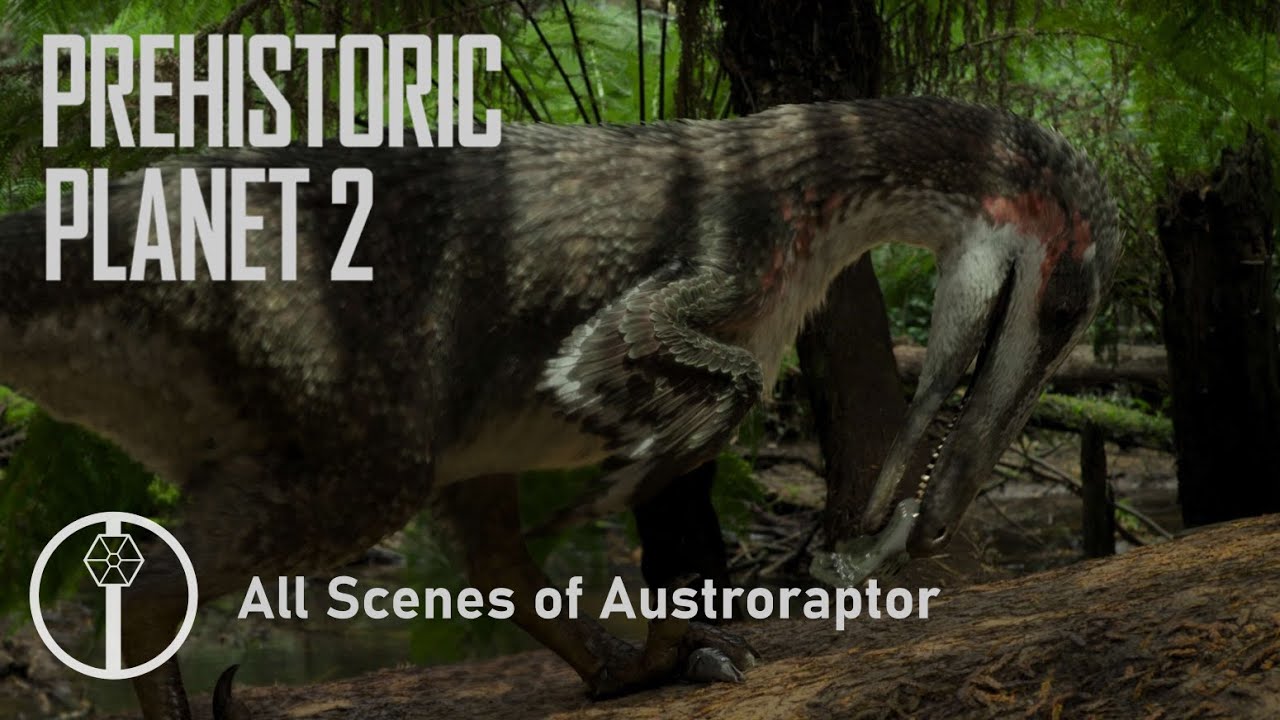
Austroraptor was a large dromaeosaurid (raptor) dinosaur that lived during the Late Cretaceous Period, approximately 70–66 million years ago. It was discovered in Argentina, in the Allen Formation of Patagonia, making it one of the southernmost known members of the raptor family.
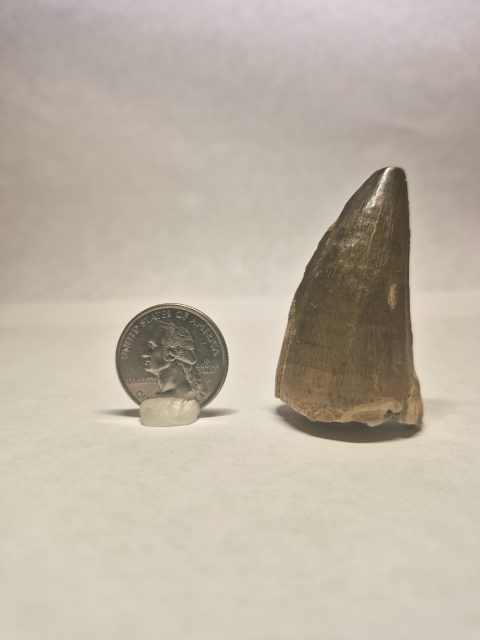
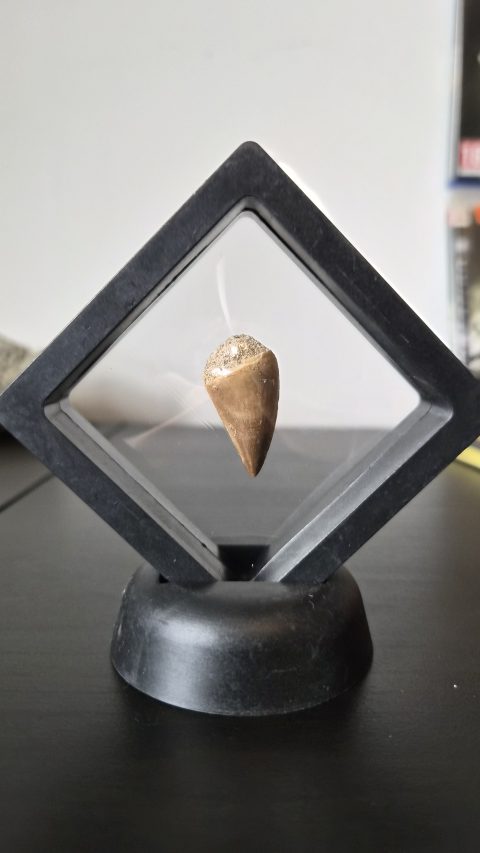
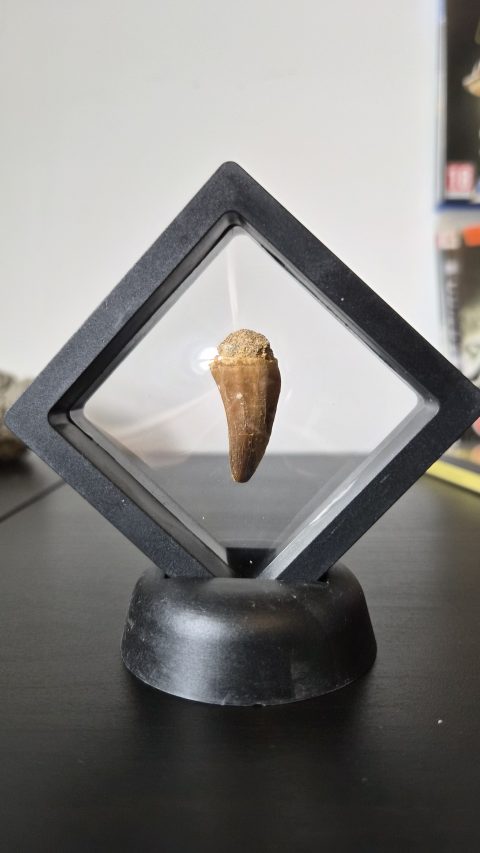
Unlike smaller raptors such as Velociraptor, Austroraptor had a much more slender and elongated body. It reached an estimated length of 5–6 meters (16–20 feet), making it one of the largest known dromaeosaurids. Its skull was long and narrow, with many small teeth that suggest it may have specialized in catching small prey, possibly including fish.
Austroraptor had relatively short arms compared to other dromaeosaurs, which was unusual for a member of its group. It had long hind limbs, a stiffened tail for balance, and the characteristic enlarged sickle claw on its second toe, which was likely used for hunting and defense.
Its body was likely covered in feathers, as with other dromaeosaurids. The discovery of Austroraptor showed that raptors evolved into different forms across the world, including large specialized species in South America.
Austroraptor
Austroraptor was a large, slender dromaeosaurid theropod dinosaur from the Late Cretaceous known for its long snout, small arms, and fish-eating adaptations.