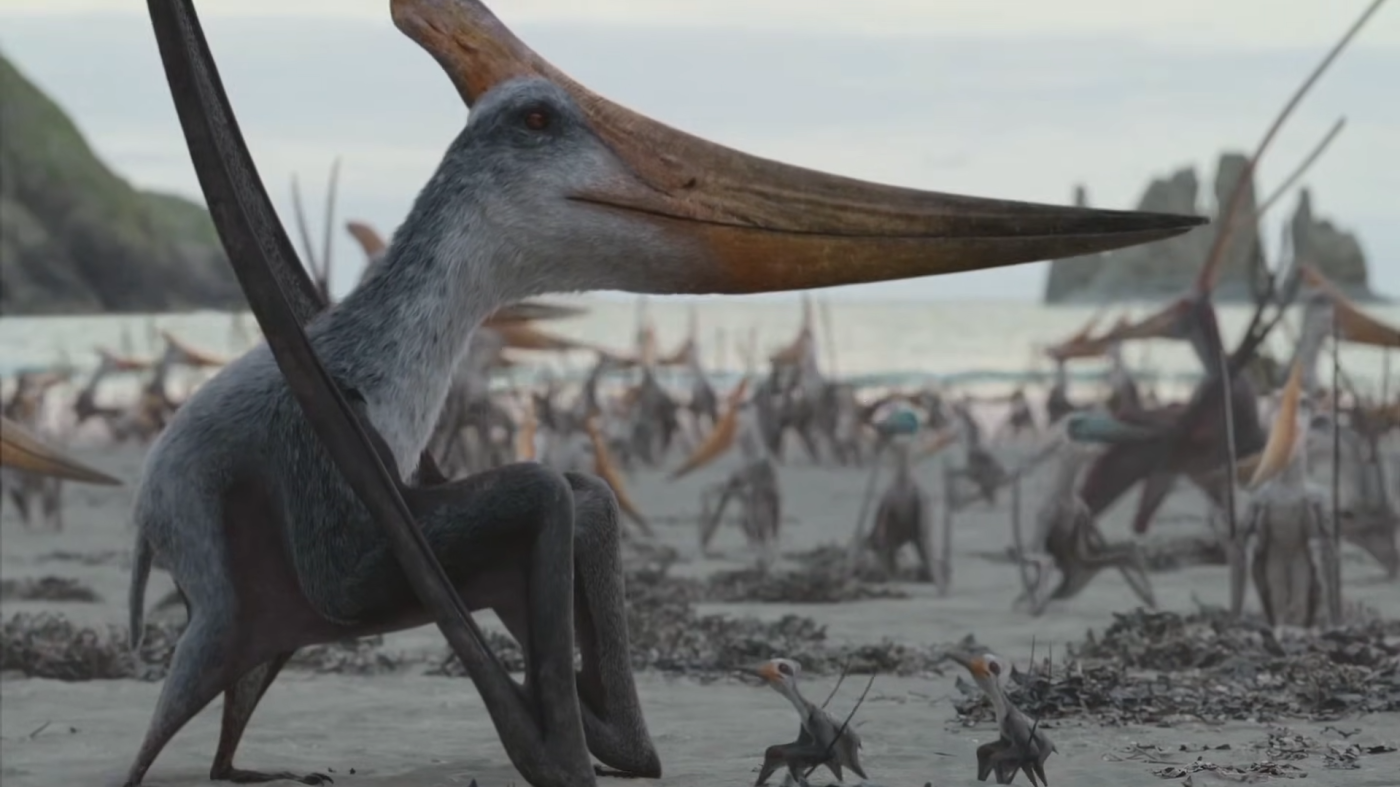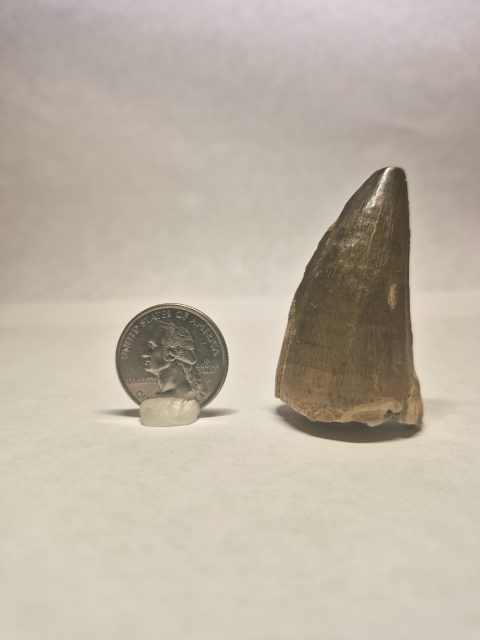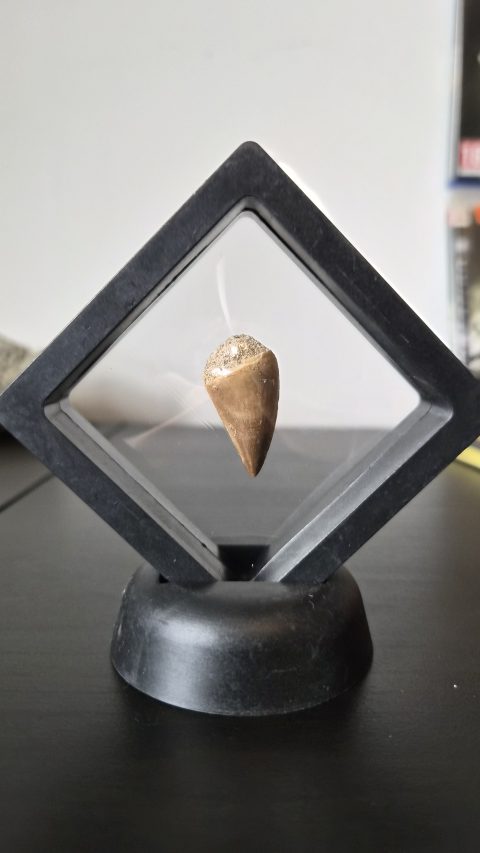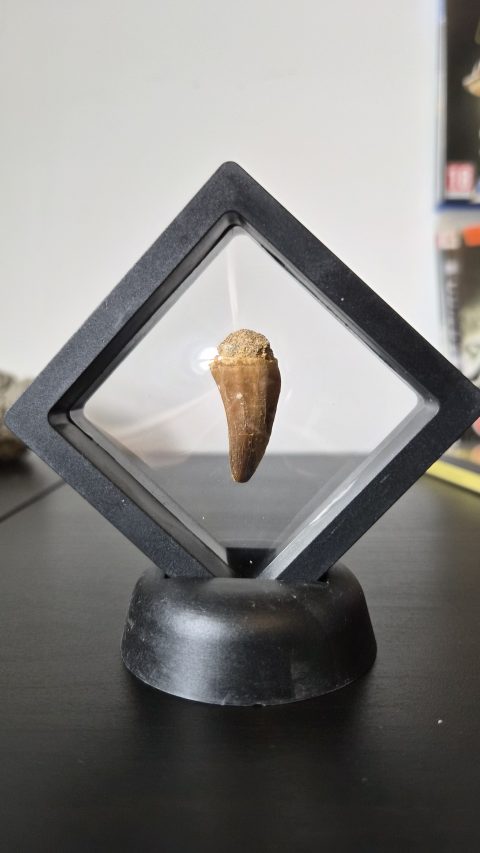
Barbaridactylus was a large nyctosaurid pterosaur that lived during the Late Cretaceous Period, approximately 85–72 million years ago. It was discovered in the Ouled Abdoun Basin of Morocco, where its fossils were found in marine deposits that preserve many Late Cretaceous sea animals.
Unlike dinosaurs, Barbaridactylus was a flying reptile, not a dinosaur. It belonged to the family Nyctosauridae, a group of specialized pterosaurs known for their extremely long wings and lightweight bodies. It had a long, toothless jaw, a streamlined skull, and powerful wings adapted for soaring over coastal environments.
Barbaridactylus had an estimated wingspan of around 5 meters (16 feet). It likely hunted fish and other marine animals, using its sharp beak to capture prey while flying above ancient seas. Its hollow bones and large wings allowed it to remain airborne efficiently, similar to modern seabirds.
The species lived near the end of the Cretaceous period, sharing its environment with many marine reptiles, sharks, and dinosaurs. Its discovery provides insight into the diversity of flying reptiles that existed before the end-Cretaceous extinction.
Barbaridactylus
Barbaridactylus was a large azhdarchid pterosaur from the Late Cretaceous known for its long wings, powerful jaws, and coastal hunting lifestyle.