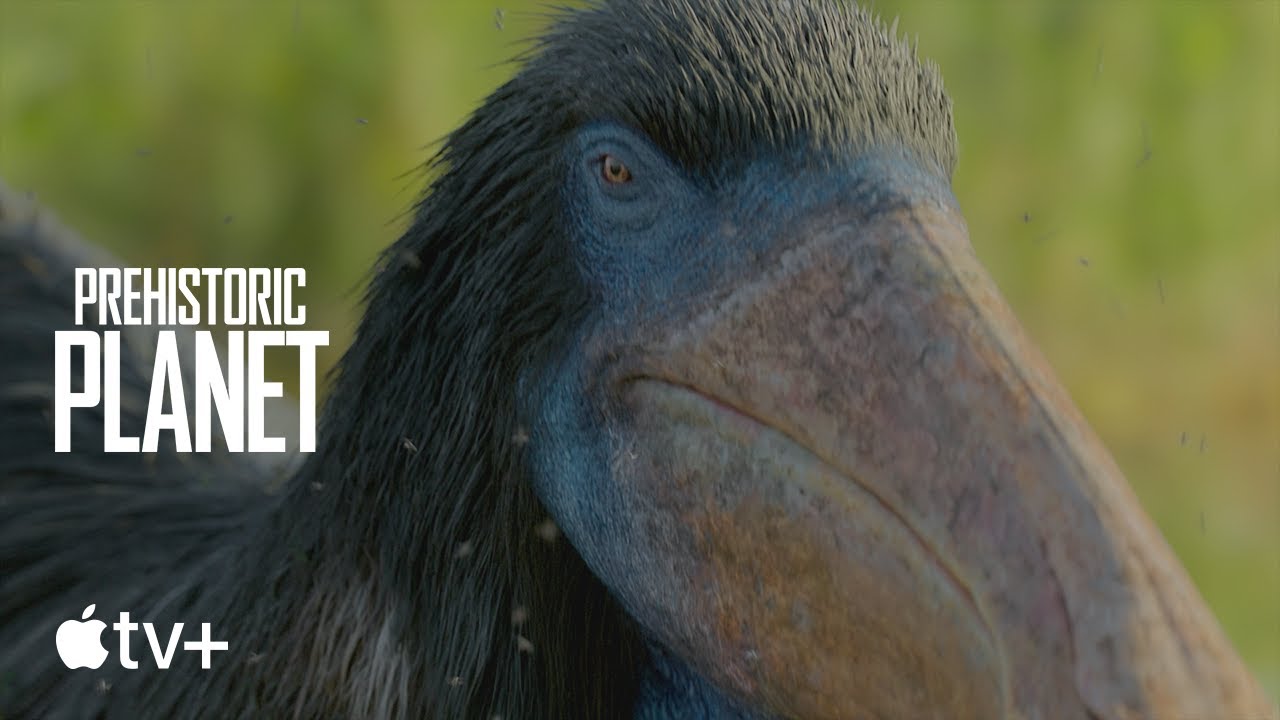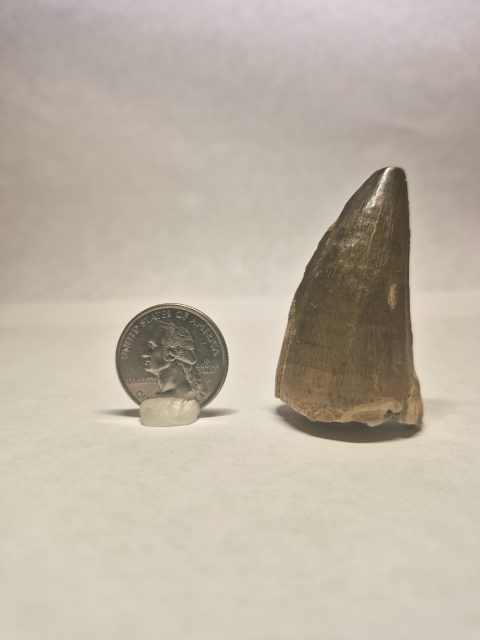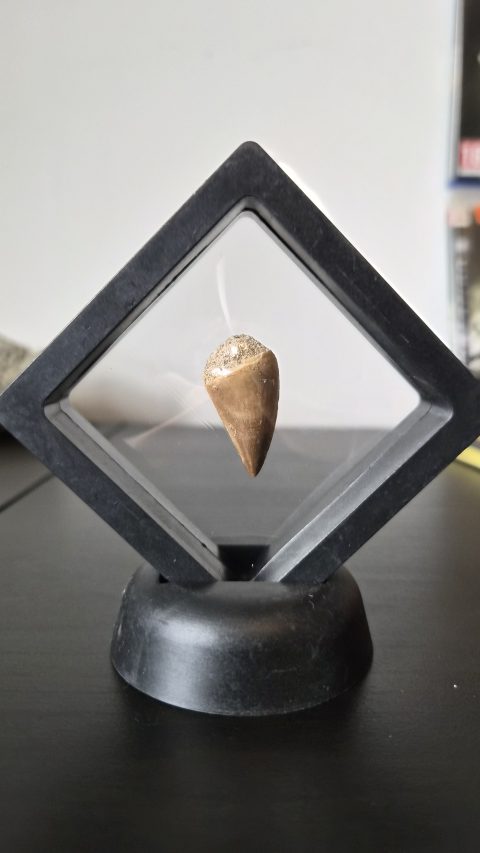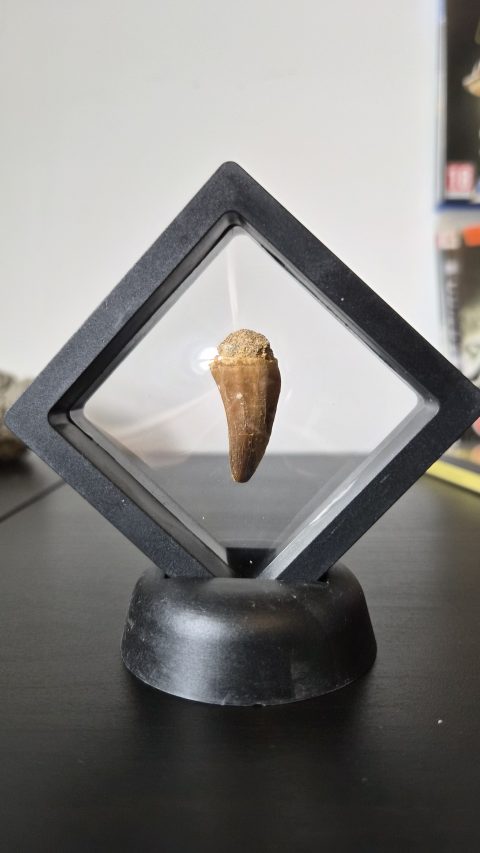
Deinocheirus was a large, unusual dinosaur that lived during the Late Cretaceous, approximately 70 to 68 million years ago. It belonged to the group Ornithomimosauria, commonly known as "ostrich dinosaurs." Unlike its smaller, fast-running relatives, Deinocheirus evolved into a massive omnivore with a distinctive body shape unlike any other known dinosaur.
Growing up to 11–12 meters (36–39 feet) in length and weighing around 6 to 7 metric tons, Deinocheirus was one of the largest ornithomimosaurs ever discovered. It possessed a broad, duck-like beak without teeth, a tall hump on its back formed by elongated vertebral spines, powerful hind legs, and a wide tail. Its most remarkable feature was its enormous forelimbs, which measured over 2.4 meters (8 feet) long and ended in large, curved claws. These arms were so distinctive that they were discovered decades before the rest of the skeleton, inspiring the name Deinocheirus, meaning "terrible hand."
Deinocheirus inhabited river deltas, floodplains, and wetlands in what is now Mongolia, sharing its environment with famous dinosaurs such as Tarbosaurus, Velociraptor, Saurolophus, and Therizinosaurus. Fossil evidence indicates that it spent much of its time near water, where it likely searched for food along riverbanks and shallow lakes.
Unlike most large theropod dinosaurs, Deinocheirus was omnivorous. Fossils have revealed fish scales and remains within its ribcage, while its broad beak suggests it also consumed aquatic plants, leaves, fruits, seeds, and small animals. Gastroliths (stomach stones) found with specimens indicate that it used them to help grind plant material, much like modern birds.
The first fossils of Deinocheirus were discovered in the Gobi Desert in 1965, but only its enormous arms were found. For nearly fifty years, scientists had little idea what the rest of the animal looked like. In 2014, the discovery of much more complete skeletons finally revealed its unique appearance, dramatically changing scientific understanding of the species.
Deinocheirus became extinct approximately 66 million years ago during the Cretaceous–Paleogene (K–Pg) mass extinction, the same event that eliminated all non-avian dinosaurs. Today, it is regarded as one of the most unusual dinosaurs ever discovered and demonstrates the incredible diversity of dinosaur evolution during the Late Cretaceous.
Deinocheirus
A giant omnivorous dinosaur with enormous arms, a duck-like beak, and a hump-backed body that lived in Asia during the Late Cretaceous.