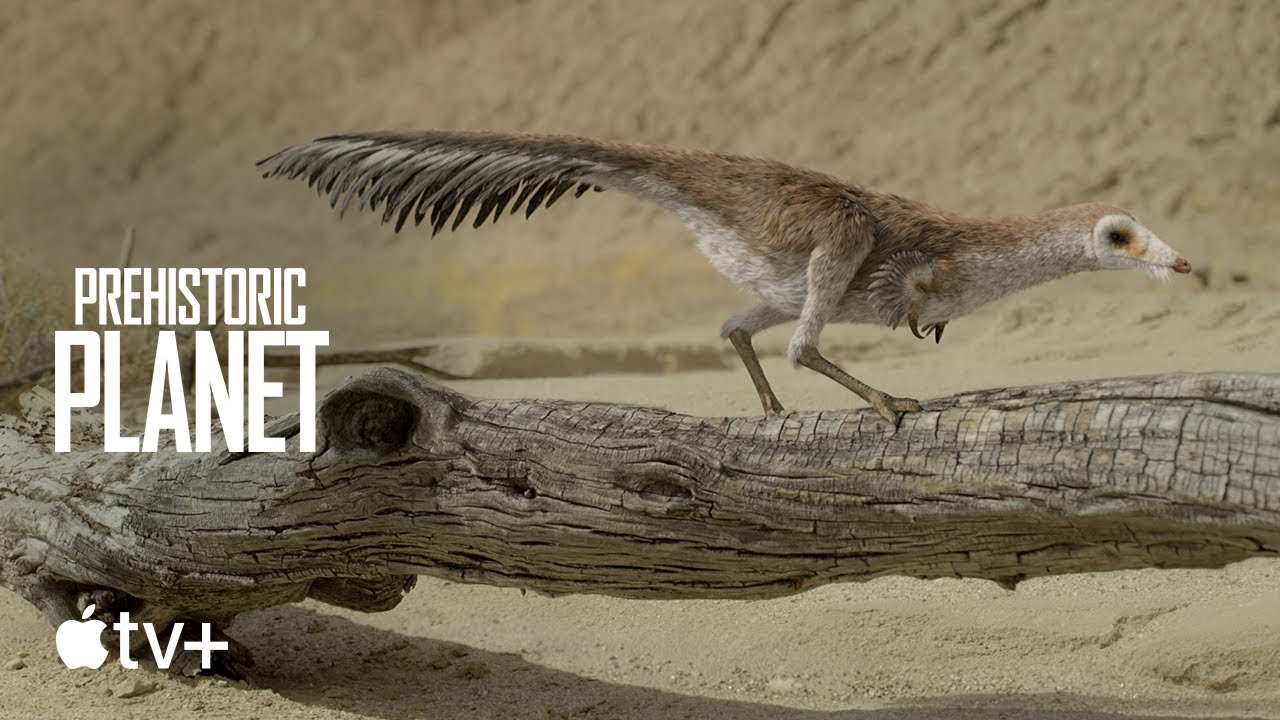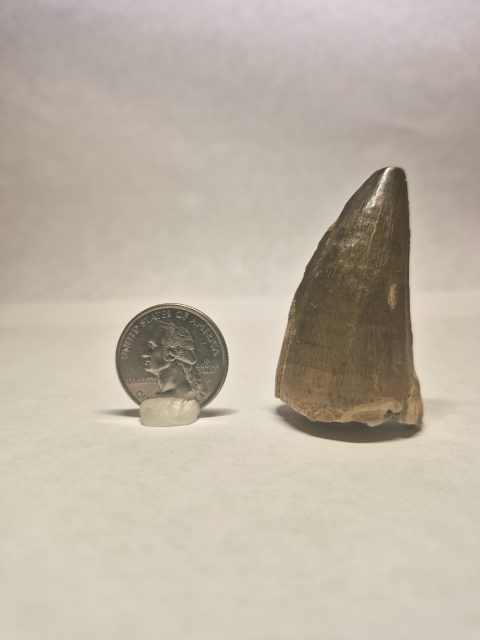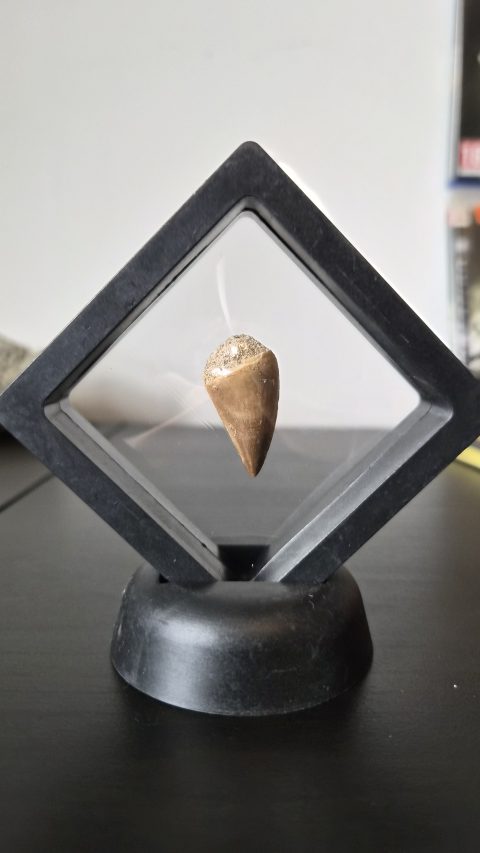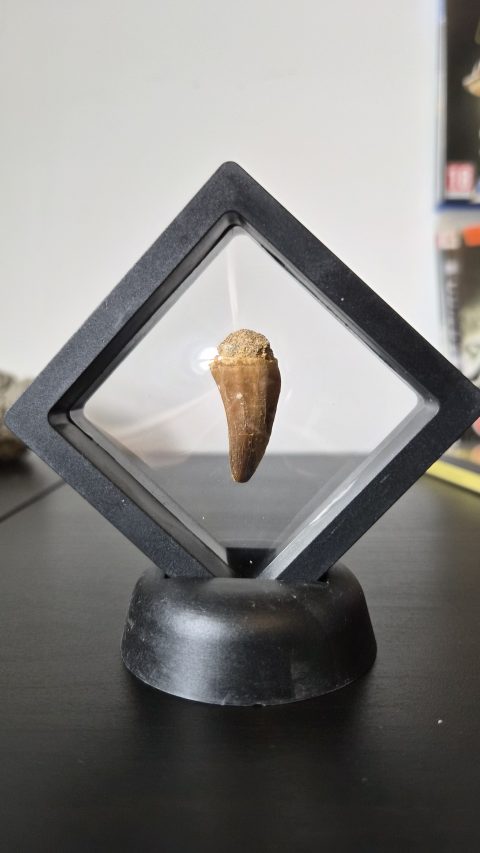
Mononykus was a tiny, feathered theropod dinosaur belonging to the family Alvarezsauridae. It lived in what is now Mongolia during the final part of the Cretaceous Period. Its name means "single claw", referring to the unusual structure of its forelimbs, which had one enlarged claw instead of the multiple fingers seen in most theropods.
Unlike many other predatory dinosaurs, Mononykus had extremely reduced arms. Its forelimbs were short and powerful, ending in a single large claw. Scientists believe this claw may have been used for breaking into insect nests, similar to modern anteaters or pangolins. Its skull was narrow, with small teeth, suggesting it may have eaten insects rather than large prey.
Mononykus was a lightweight dinosaur, measuring around 1 meter (3.3 feet) long and weighing only a few kilograms. It had long, slender legs and a stiffened tail, indicating it was likely a fast and agile runner. Like other alvarezsaurids, it was probably covered in feathers, making it one of the many small feathered dinosaurs closely related to birds.
The discovery of Mononykus helped scientists understand the evolutionary transition between non-avian dinosaurs and modern birds. Its unusual body design shows that dinosaurs evolved many specialized forms and occupied a wide variety of ecological roles.
Mononykus
Mononykus was a small, feathered alvarezsaurid theropod dinosaur from the Late Cretaceous known for its tiny arms and single large claw used for digging into insect nests.