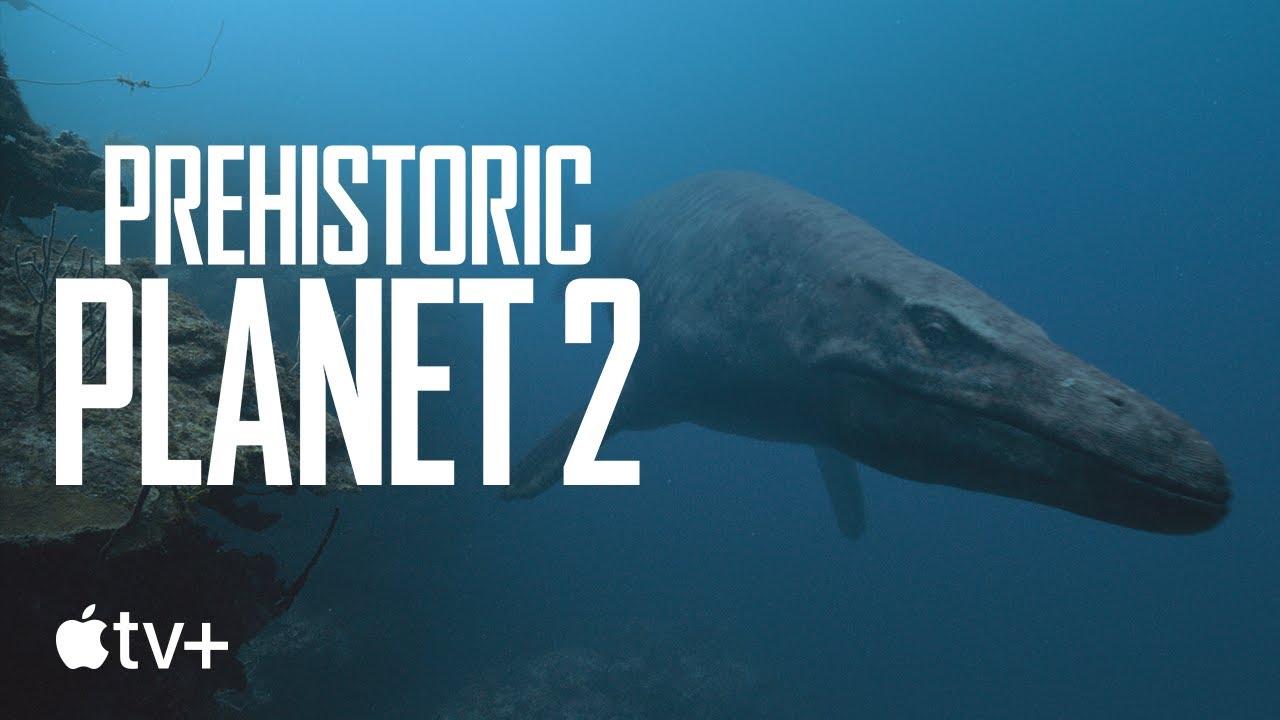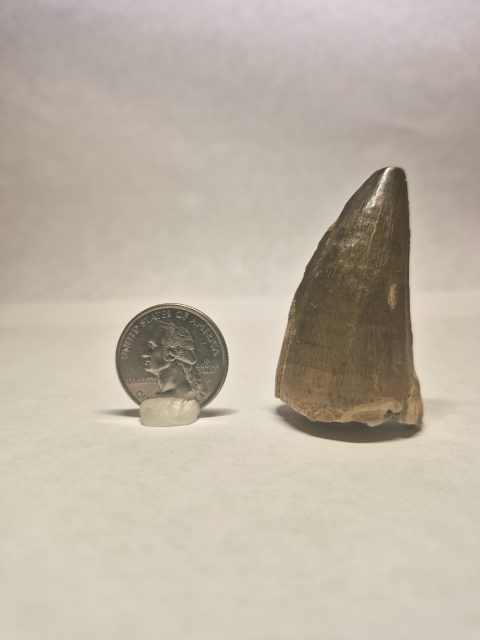
Mosasaurus was a genus of large marine reptiles that lived during the Late Cretaceous, approximately 82 to 66 million years ago. Despite often being called a "sea dinosaur," Mosasaurus was not a dinosaur. Instead, it belonged to the family Mosasauridae, a group of marine reptiles more closely related to modern monitor lizards and snakes.
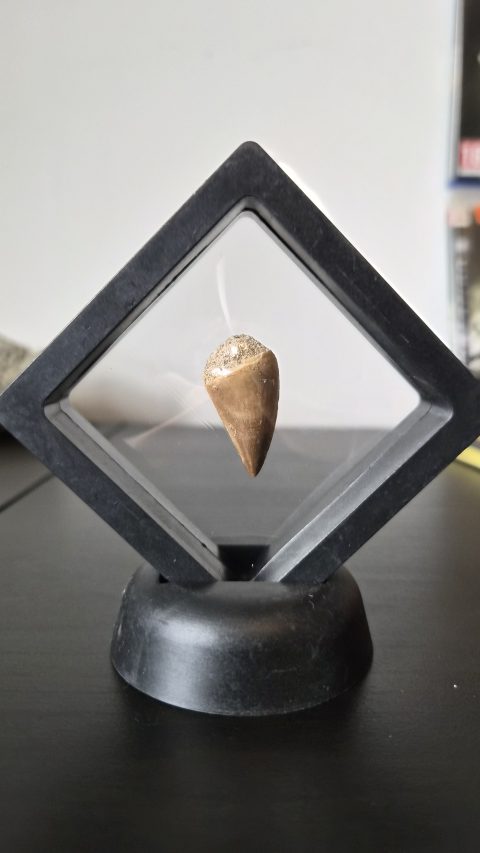
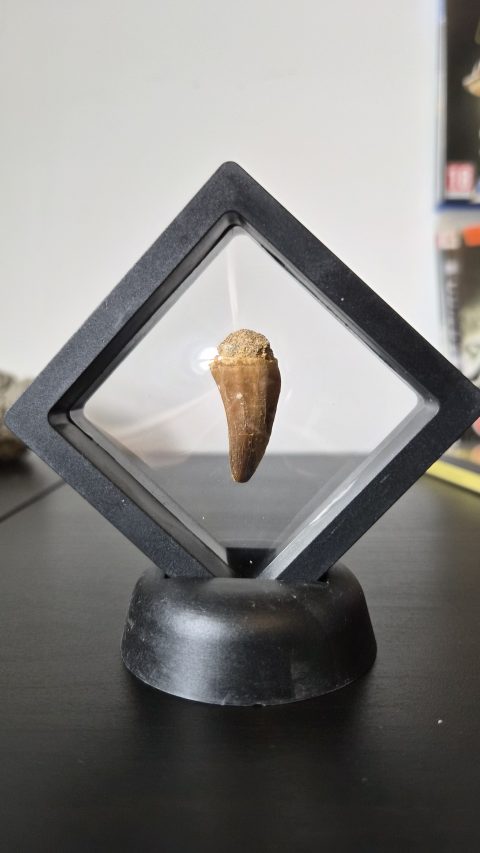
Growing up to 17 meters (56 feet) in length, Mosasaurus was among the largest marine predators of its era. It possessed a long, streamlined body, powerful paddle-like limbs, and a muscular tail ending in a crescent-shaped fin, making it an exceptionally fast and agile swimmer. Its large skull housed powerful jaws lined with numerous sharp, backward-curving teeth designed to grip slippery prey.
Mosasaurus inhabited warm, shallow seas that covered much of Europe, North America, Africa, and parts of South America during the Late Cretaceous. As an apex predator, it fed on a wide variety of marine animals, including fish, sharks, sea turtles, ammonites, seabirds, and even other mosasaurs. Fossil evidence suggests it was an opportunistic hunter capable of tackling prey nearly as large as itself.
The first Mosasaurus fossils were discovered in the late 18th century near Maastricht in the Netherlands, making it one of the earliest prehistoric reptiles ever scientifically studied. These discoveries played an important role in shaping the early science of paleontology and helped scientists recognize that entire groups of animals had become extinct.
Like other mosasaurs, Mosasaurus gave birth to live young in the ocean rather than laying eggs on land. It spent its entire life at sea and was perfectly adapted to marine environments.
Mosasaurus became extinct approximately 66 million years ago during the Cretaceous–Paleogene (K–Pg) mass extinction, the same event that eliminated the non-avian dinosaurs, ammonites, and many other marine species. Today, it remains one of the most famous prehistoric marine reptiles and is known from spectacular fossil discoveries around the world.
Mosasaurus
A giant marine reptile that ruled the oceans during the Late Cretaceous, becoming one of the largest and most formidable predators of its time.