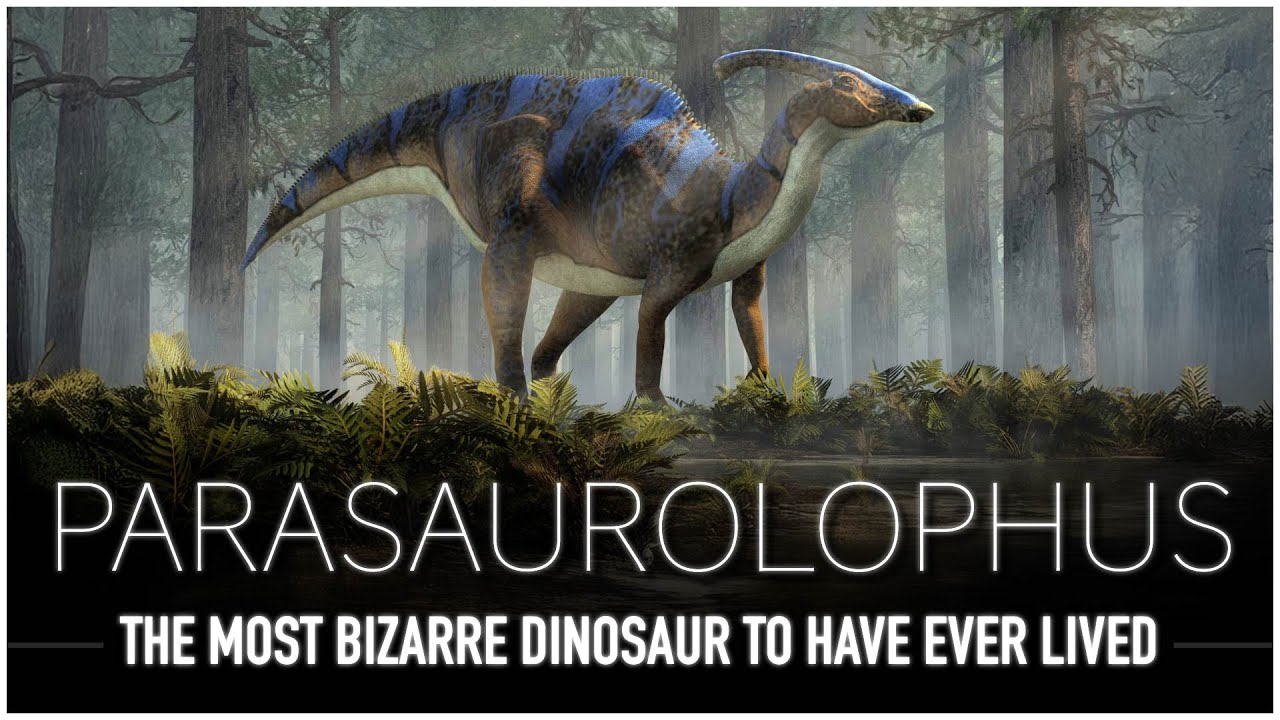
Parasaurolophus was a large hadrosaurid (duck-billed) dinosaur that lived during the Late Cretaceous Period, approximately 76.5–73 million years ago. It was discovered in North America, with fossils found in areas that are now Alberta (Canada), New Mexico, and Utah (USA).
Parasaurolophus was a herbivore with a long, backward-curving tubular crest extending from the back of its skull. This crest was connected to its nasal passages, allowing air to travel through it. Scientists believe it may have been used to produce deep sounds for communication, identify members of its species, or attract mates.
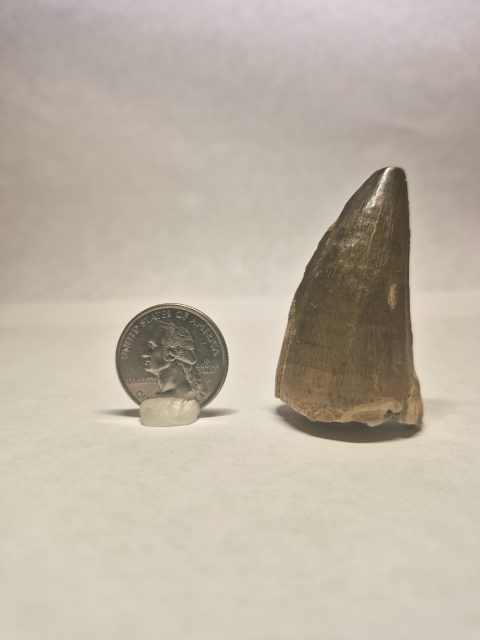
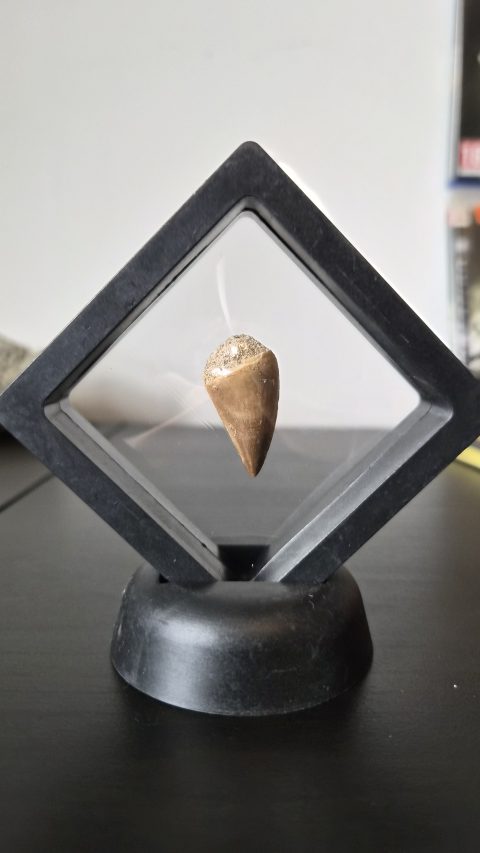
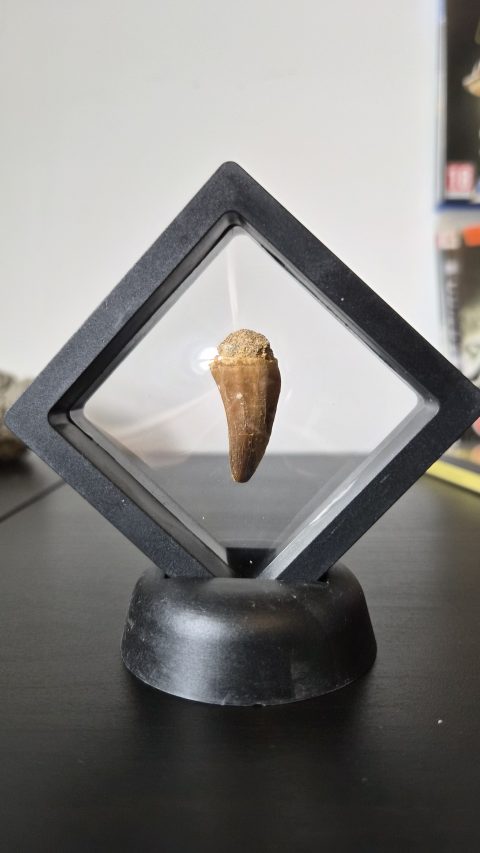
It had a large body, strong hind legs, and a long tail used for balance. Like other hadrosaurs, it could walk on both two and four legs. Its mouth contained hundreds of tightly packed teeth that formed a dental battery, allowing it to efficiently grind tough plant material.
Parasaurolophus reached lengths of around 9–10 meters (30–33 feet) and weighed several tonnes. It lived alongside predators such as Albertosaurus and other Late Cretaceous dinosaurs.
Parasaurolophus
Parasaurolophus was a large hadrosaurid dinosaur from the Late Cretaceous known for its long hollow head crest used for communication.