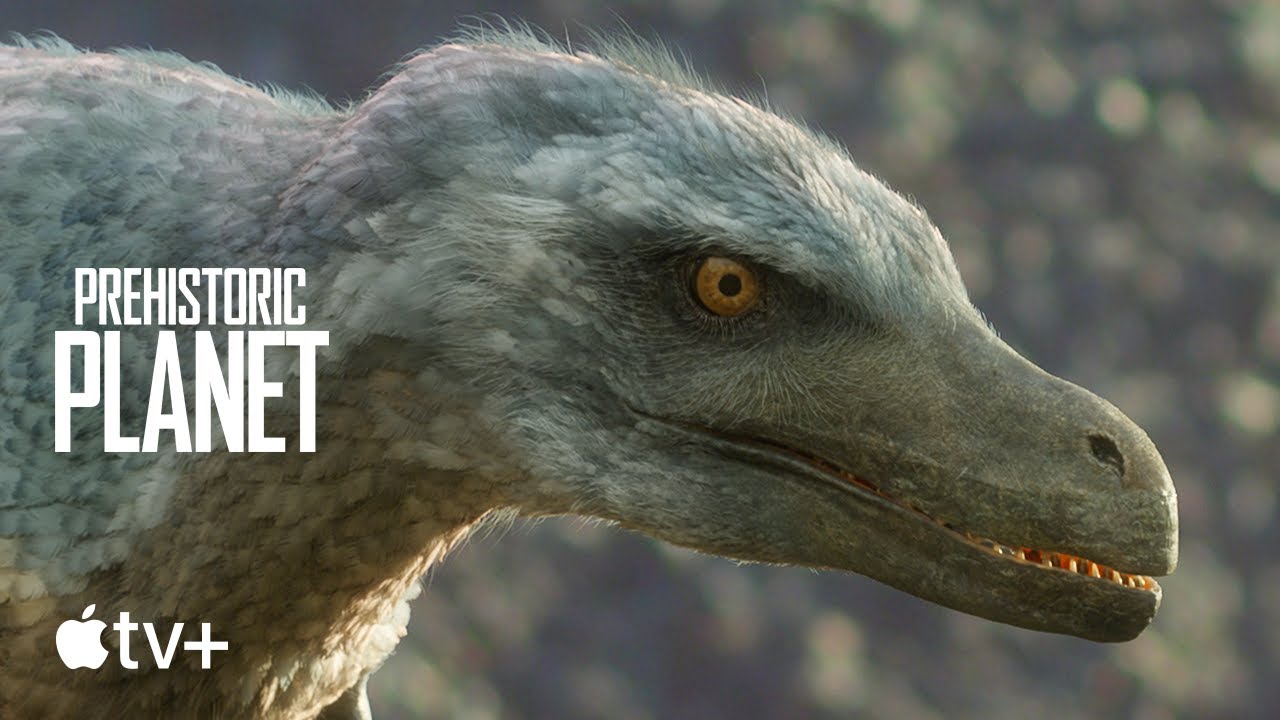
Velociraptor was a small carnivorous dinosaur that lived during the Late Cretaceous, approximately 75 to 71 million years ago. It belonged to the family Dromaeosauridae, a group of agile, feathered theropods commonly known as "raptors." Although popular media often portrays Velociraptor as a large reptilian predator, fossil evidence shows it was much smaller and was almost certainly covered in feathers.
Adults measured about 2 meters (6.5 feet) in length, stood around 0.5 meters (1.6 feet) tall at the hips, and weighed approximately 15 to 20 kilograms (33–44 pounds). Its lightweight build, long legs, and stiffened tail made it an agile and fast-moving hunter capable of making quick turns while pursuing prey.
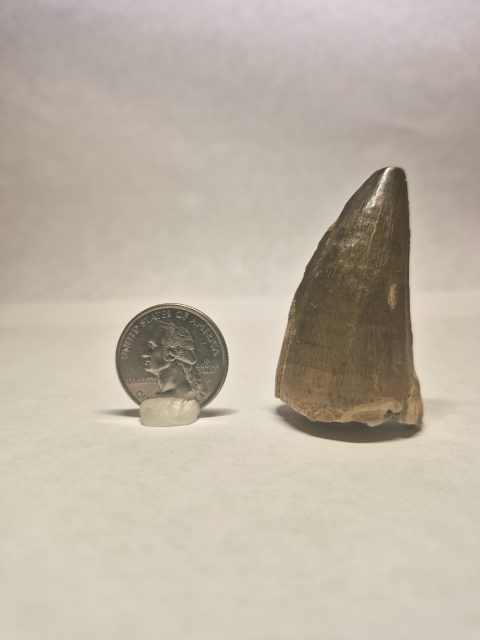
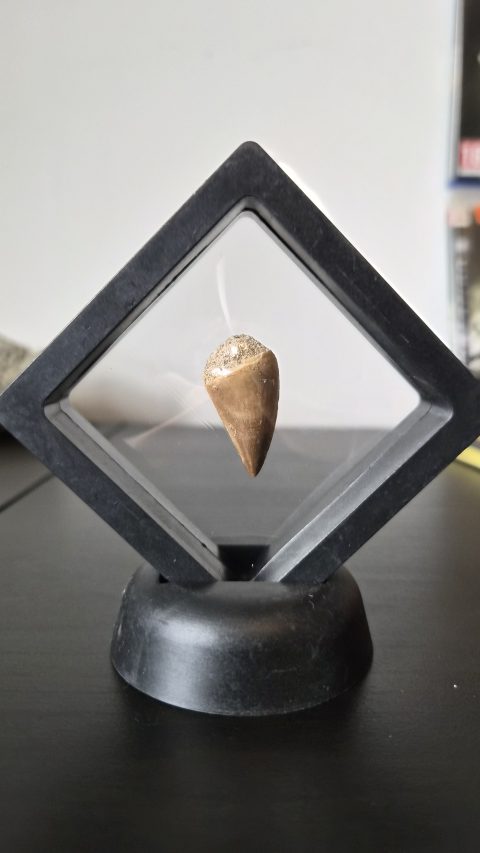
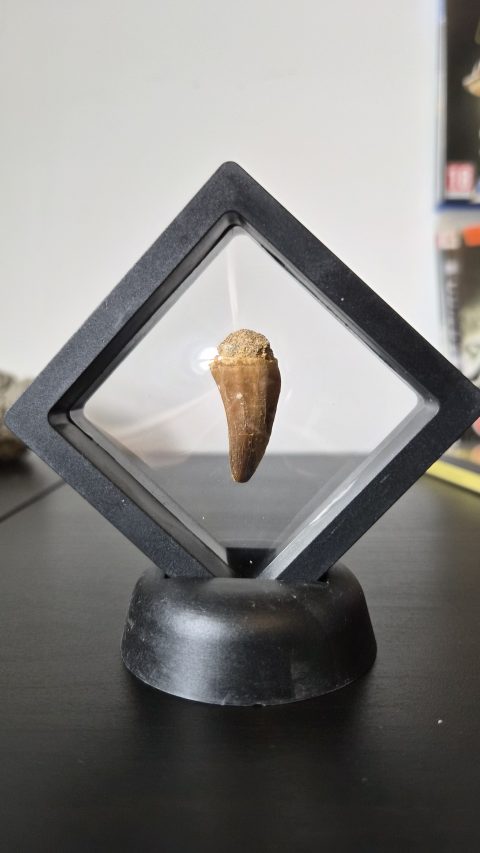
Like other dromaeosaurs, Velociraptor possessed a large sickle-shaped claw on the second toe of each foot. This claw measured up to 6.5 centimeters (2.5 inches) and was likely used to grip and immobilize prey rather than slash it. Its long arms ended in three-clawed hands, while its jaws contained dozens of sharp, serrated teeth designed for tearing flesh.
Fossil discoveries have provided strong evidence that Velociraptor was covered in feathers. A well-preserved forearm contains quill knobs, attachment points for wing feathers similar to those found in modern birds. Although Velociraptor could not fly, its feathers likely served for insulation, display, communication, and protecting its eggs.
Velociraptor lived in the deserts and semi-arid environments of what is now Mongolia and northern China. It preyed upon small to medium-sized animals, including lizards, mammals, and dinosaurs such as Protoceratops. One of the most famous fossils ever discovered, known as the "Fighting Dinosaurs," preserves a Velociraptor locked in combat with a Protoceratops, providing direct evidence of predator-prey interactions from the Late Cretaceous.
The first Velociraptor fossils were discovered in the Gobi Desert of Mongolia in 1923, and the species Velociraptor mongoliensis was formally named in 1924. Since then, numerous discoveries have greatly expanded scientific understanding of feathered dinosaurs and their close relationship to modern birds.
Velociraptor became extinct approximately 66 million years ago during the Cretaceous–Paleogene (K–Pg) mass extinction, along with all other non-avian dinosaurs. Today, it remains one of the most scientifically important dinosaurs and has become one of the most recognizable prehistoric animals in popular culture.
Velociraptor
A small, fast, feathered carnivorous dinosaur that lived during the Late Cretaceous and is one of the best-known members of the raptor family.